Why my design failed @Myna AI and what it taught me about designing products that restaurant owners actually pay for
Myna is an AI agent designed for small to medium-sized businesses, enabling quick marketing actions and attracting more customers without expensive agencies or complicated software.
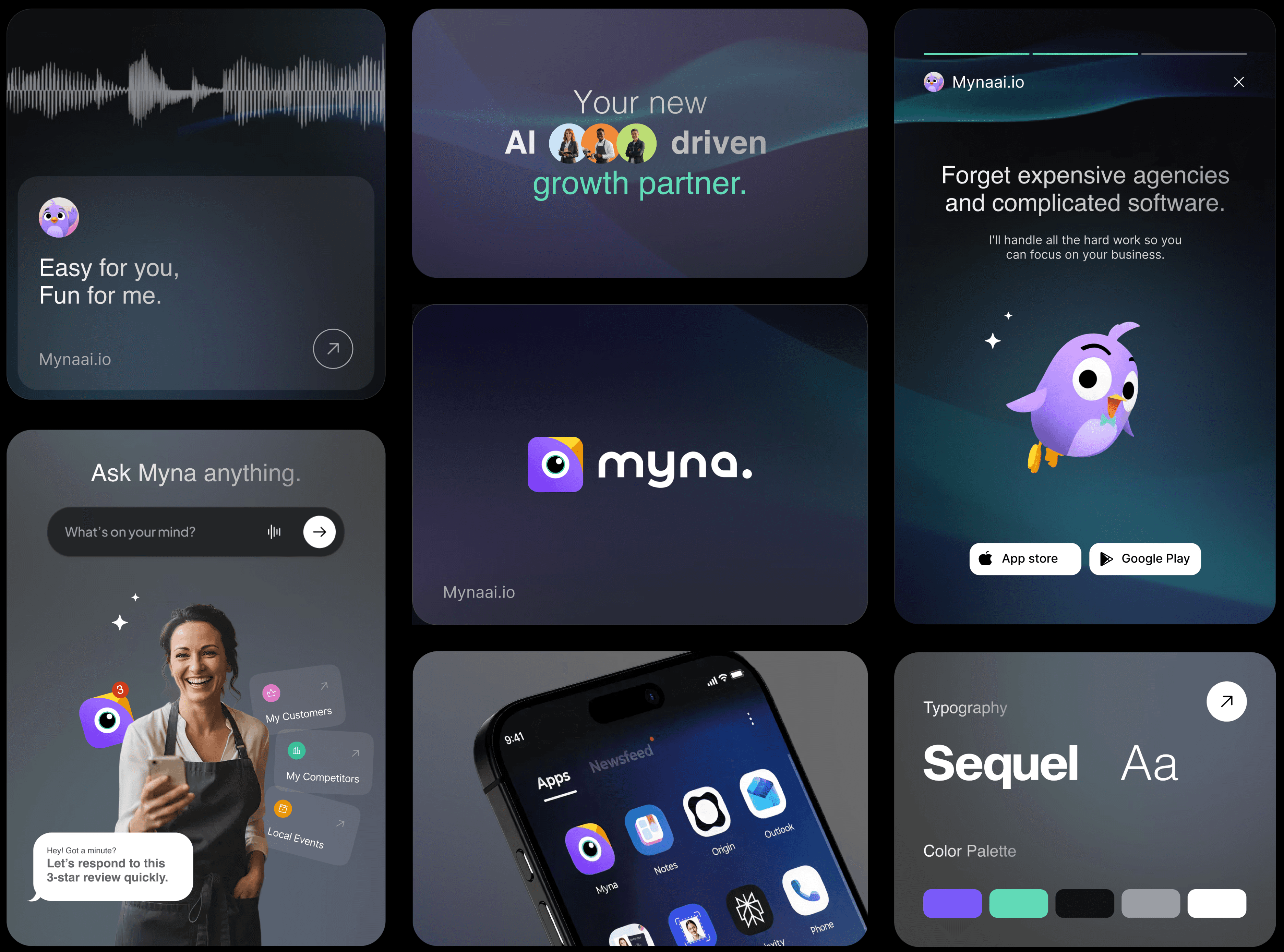
This is the story of turning feedback into a product pivot
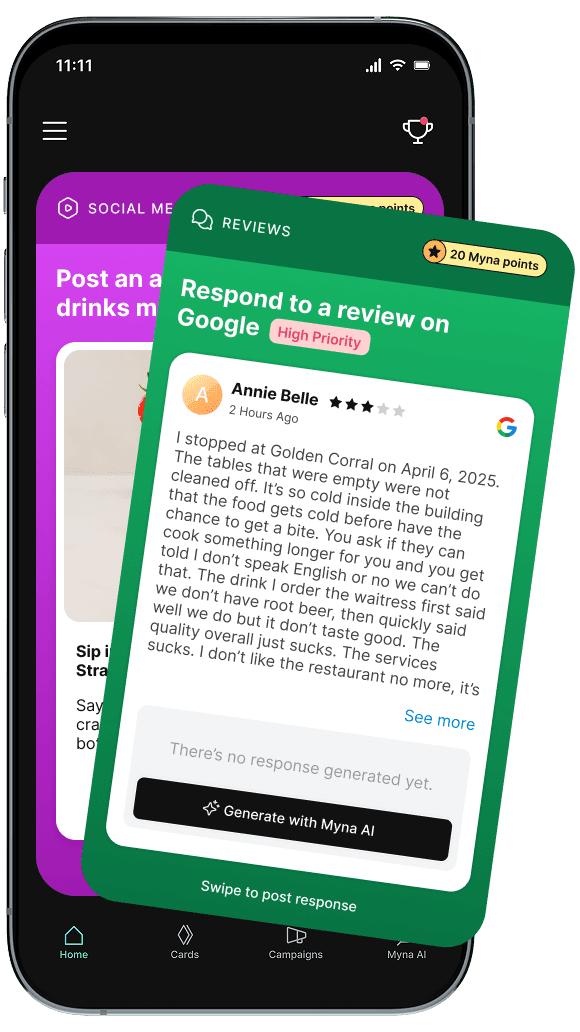
From this
A swipe-based app
AI intelligence, designed for quick marketing actions for restaurants but lacked depth in guidance.
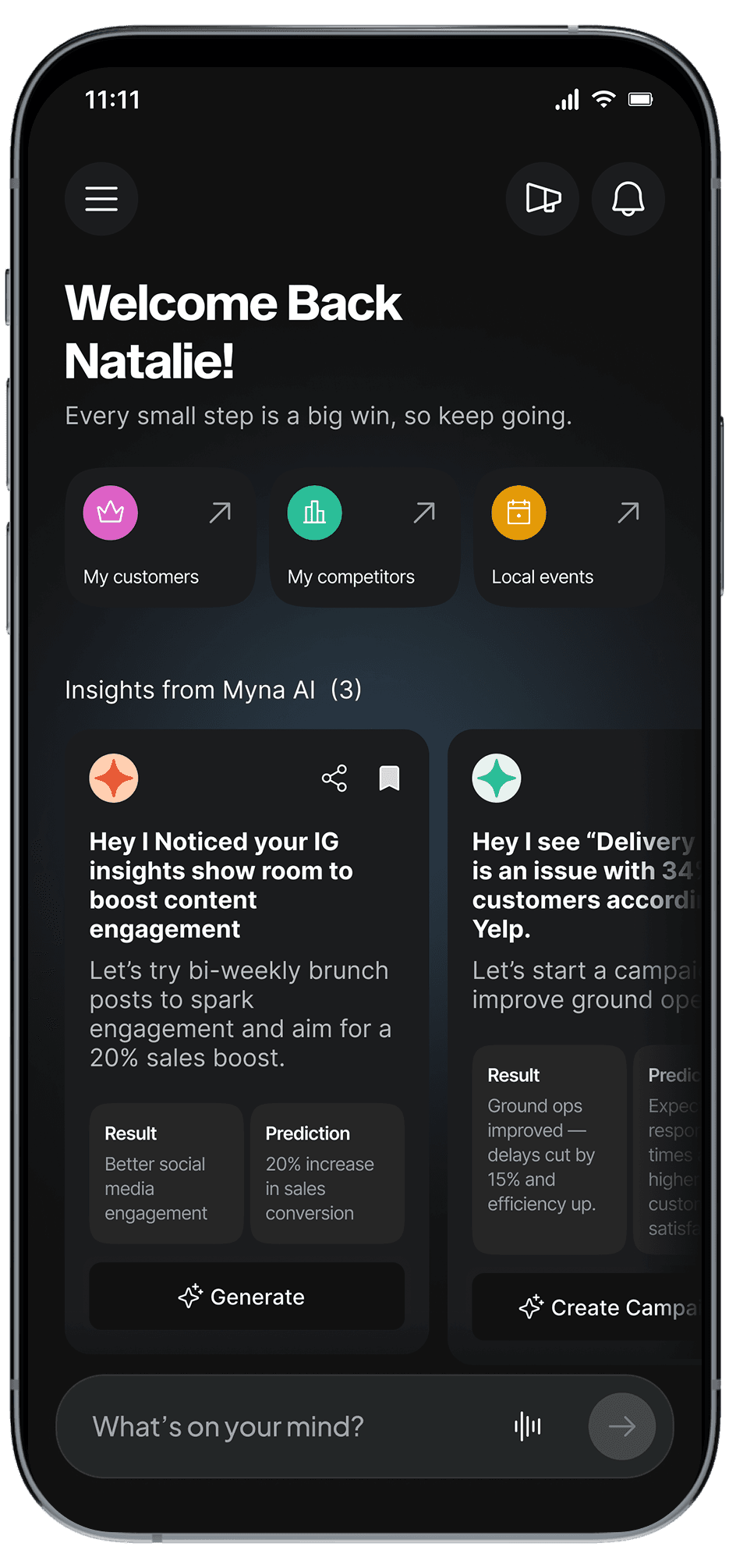
To this
A multimodal chat experience
Brought AI insights and conversation together, but still felt overwhelming.
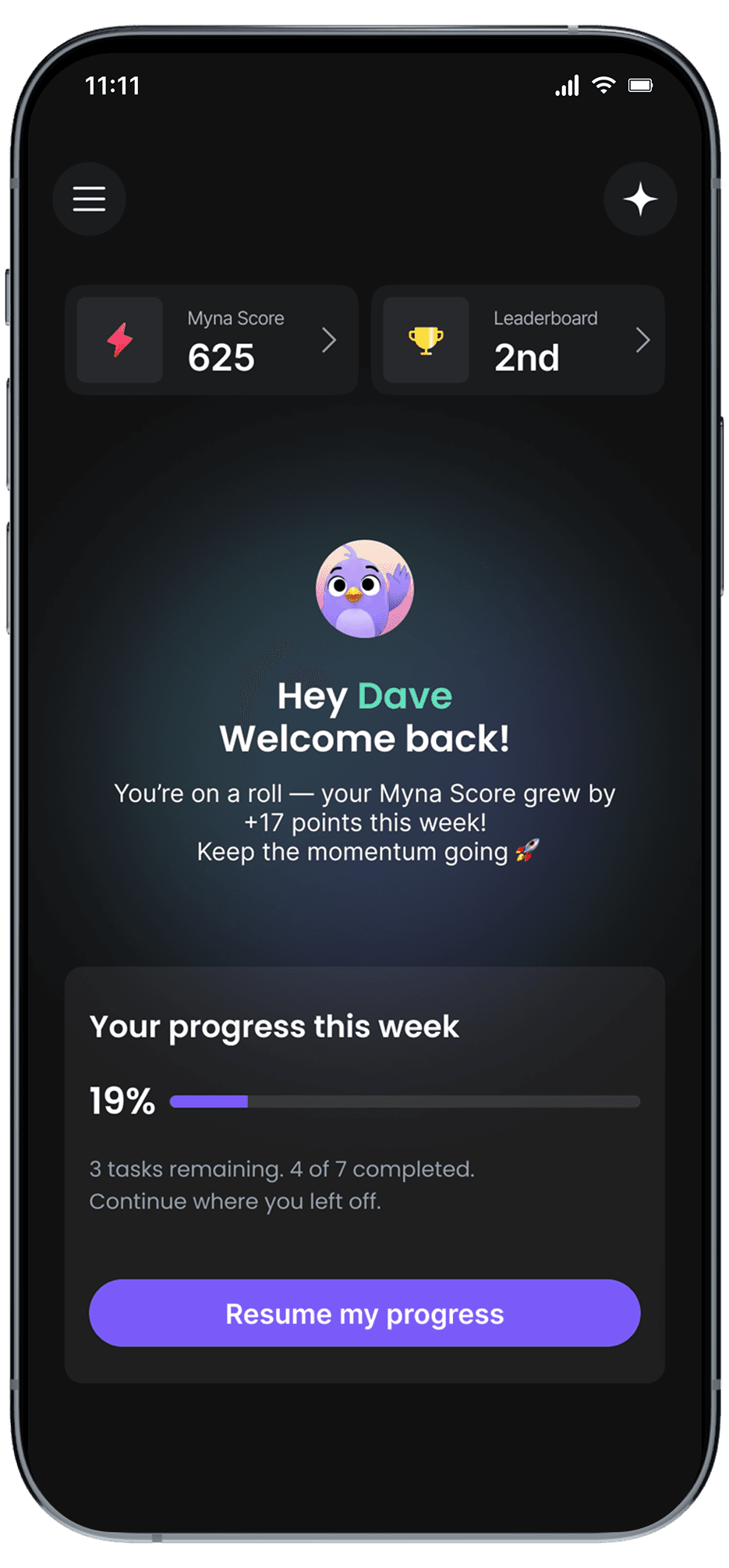
And finally this
A focused, task-based experience
Simplified the flow so users could take action, stay motivated, and track progress easily.
At this time, Myna is seeking $1.5M in investment and working to find product-market fit.
My Role
Founding Designer
Team
CEO, CTO, AI Engineer, Founding Designer, 2 Developers and 2 Junior Designers
Timeline
Early-stage startup (8 months)
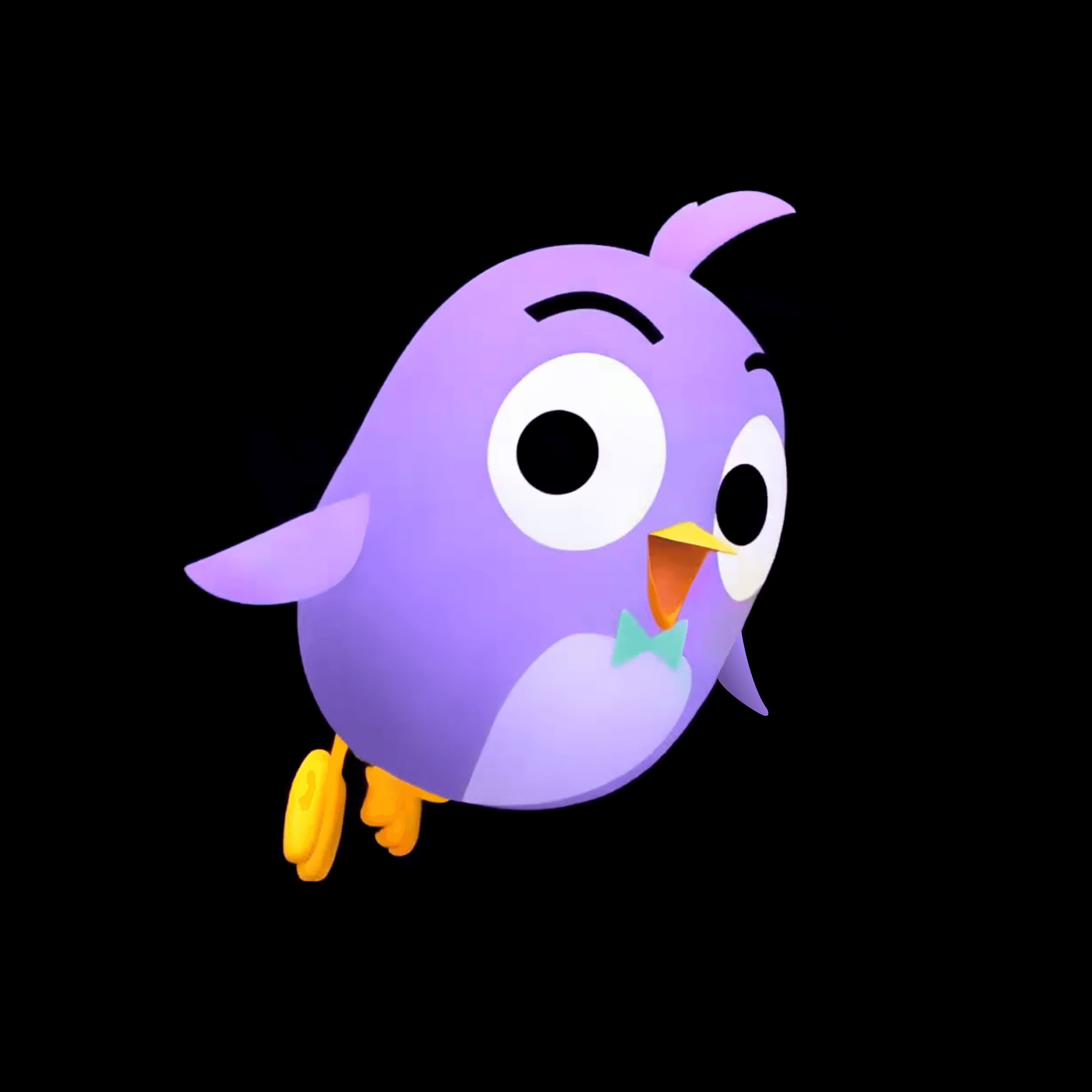
My first task was designing the Myna bird Persona, the logo and the brand.
Simultaneously,

Leading a small team of junior designers, I helped shape the brand’s voice, build its design language, launch a new Framer website, and bring the brand to life across social media with fresh visuals and videos.
Partnered with the CTO and AI Engineer to shape interactions and lead product design - making smart calls that balanced usability, brand and tech feasibility.
My POV (The Challenge)
I joined the founding team at a stage where the core concept was already on the table and the product vision had been set. However, no dedicated UX research or validation had been done yet
No discovery phase
I had to work without fresh user insights.
High speed-to-market pressure
This was part of a release that investors were watching. The execution needed to turn an idea into an intuitive, shippable feature quickly!
Abstract concept
“customer sentiment” meant different things to different stakeholders.
The Founders vision
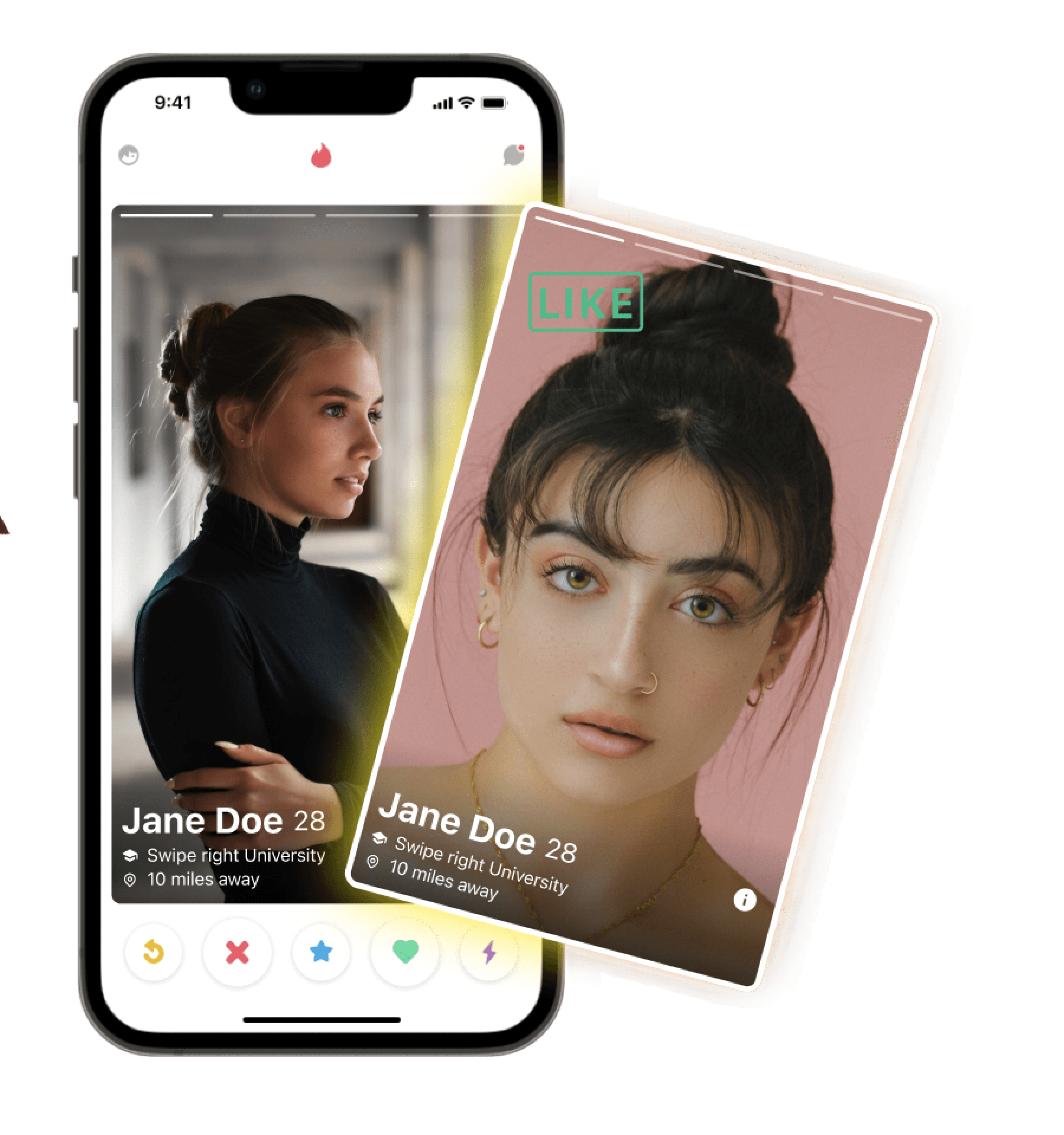
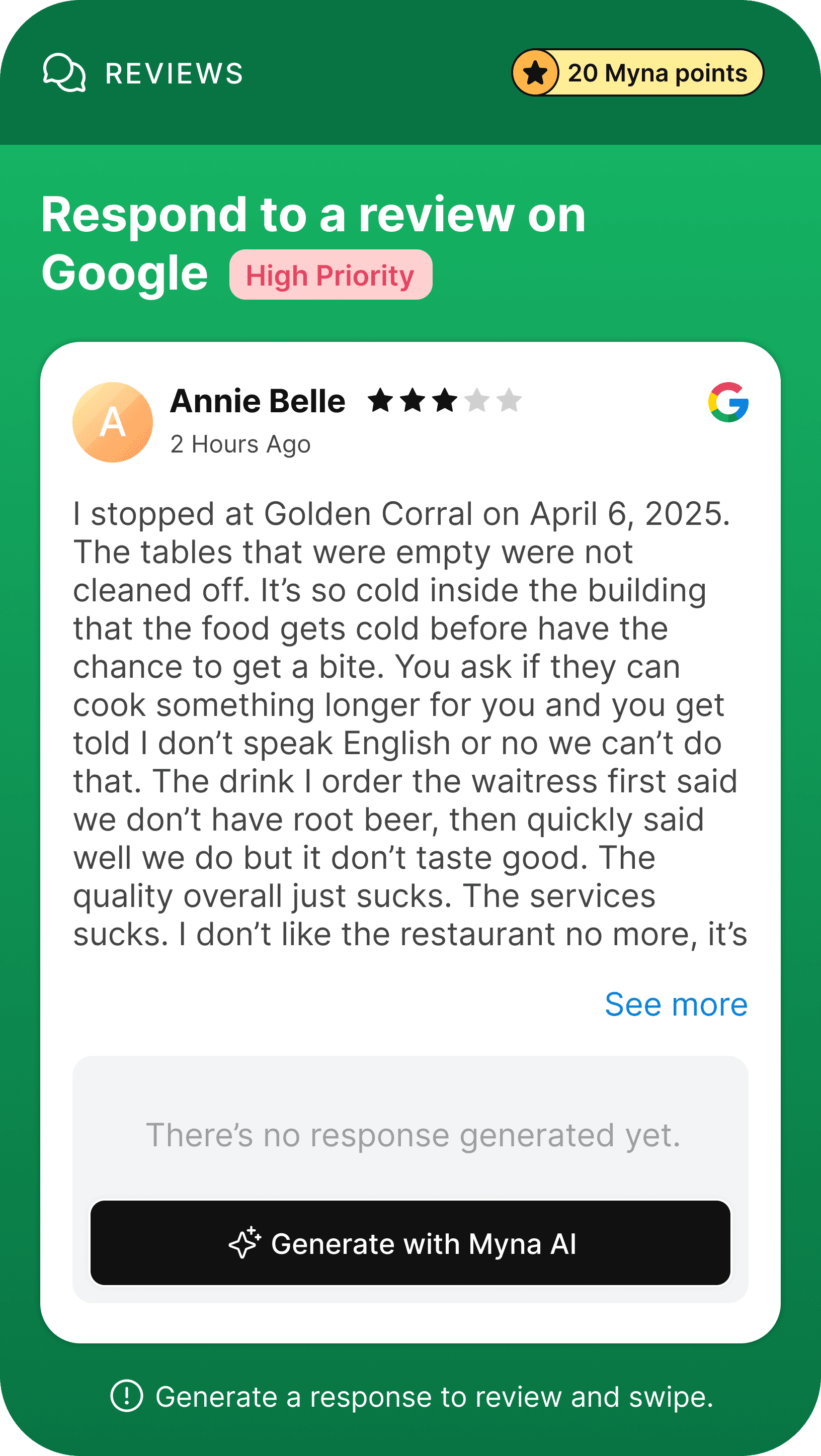
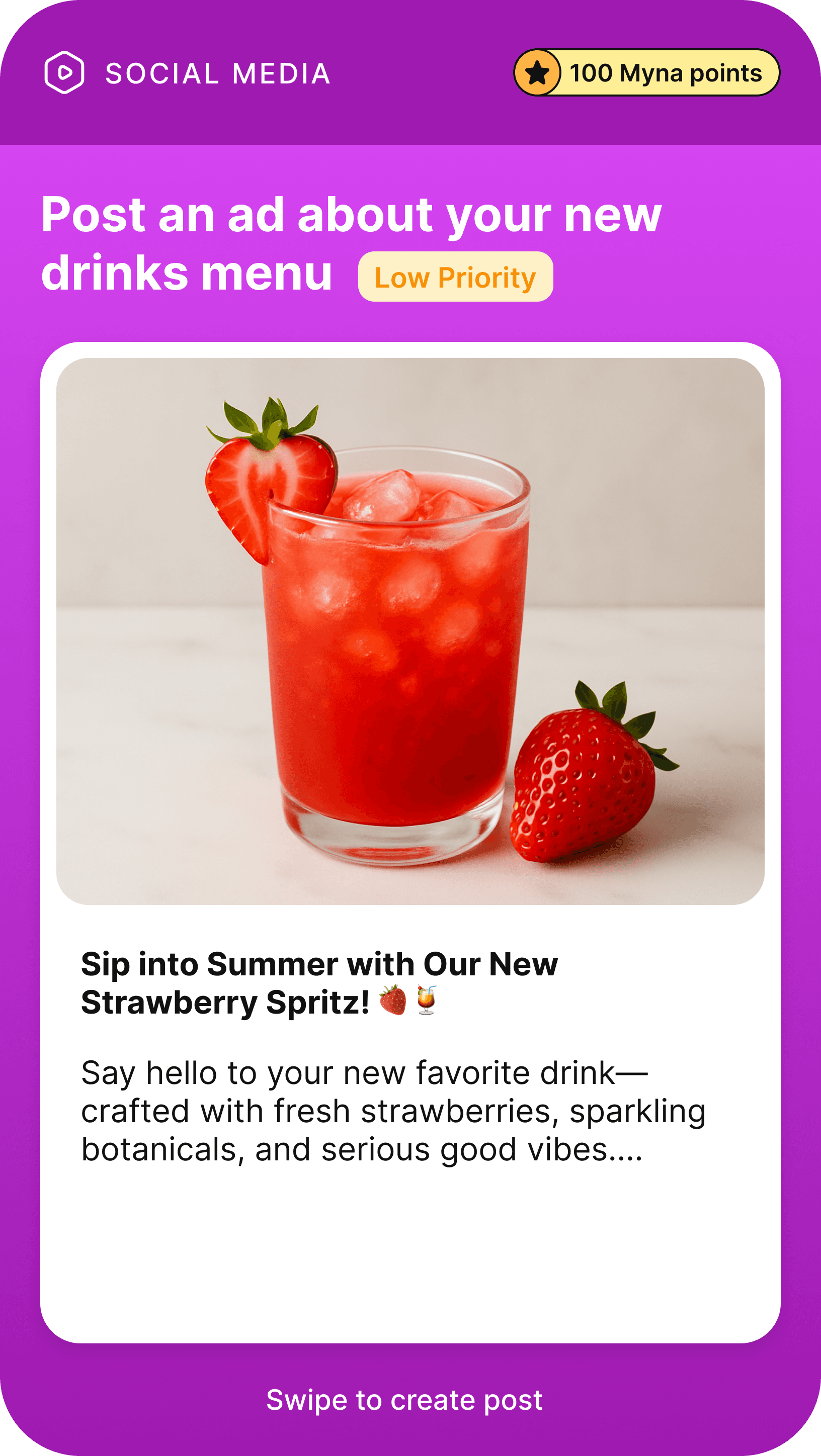
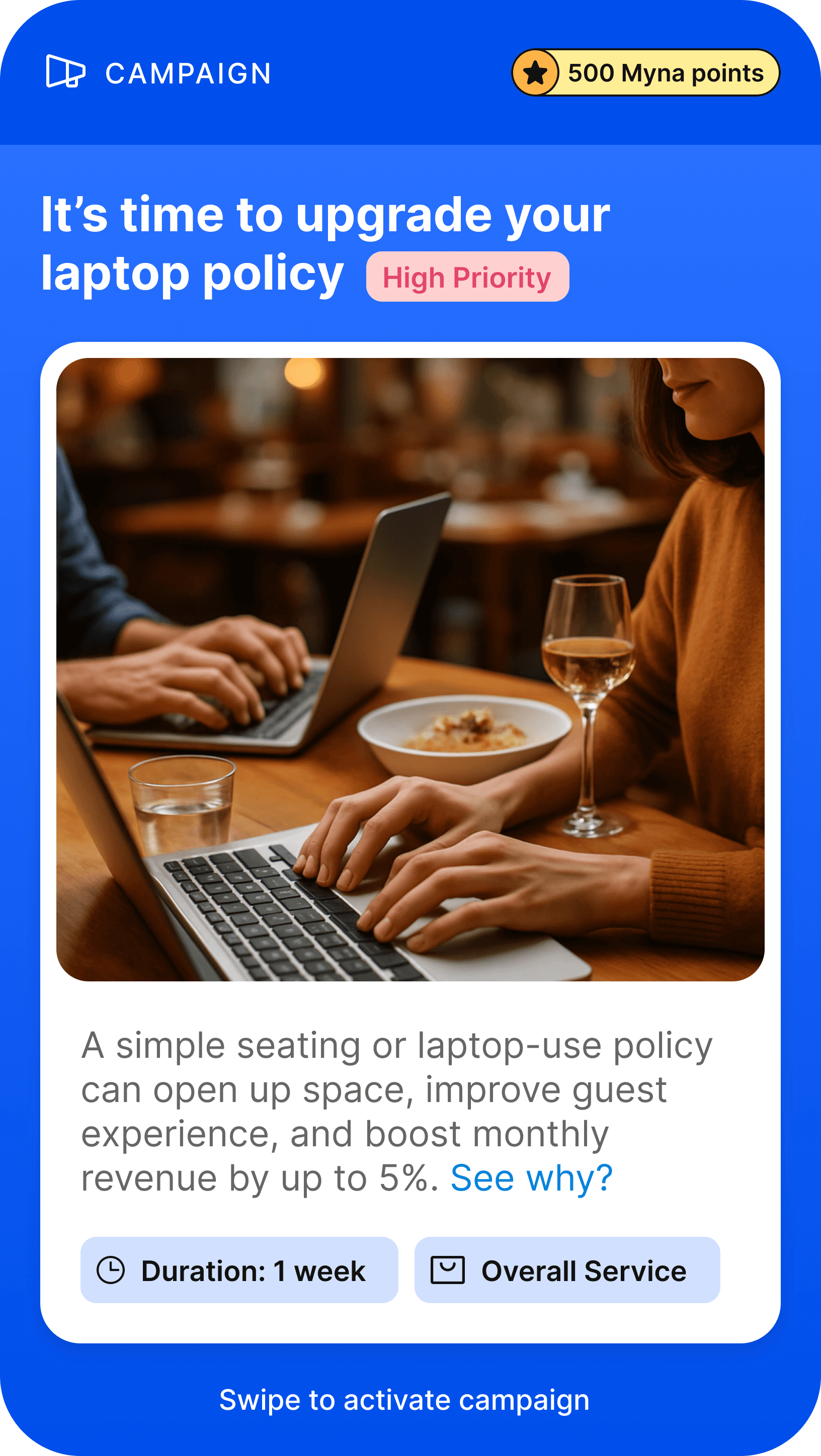
The founder imagined an AI-powered swipe card interface within the app.
(Something like Tinder and dozen other apps but for restaurants) letting busy owners approve marketing actions in seconds.
The Concept
The swipe card was meant to be the magic- One gesture, one action, zero friction.
The Problem
On paper, the idea was simple. In reality, it wasn’t.
When I showed the product to restaurant owners, reactions were… lukewarm.
01
One restaurant owner swiped through a few cards, then asked:
“What am I looking at?”
They were unclear about what the swipe gesture would do, where the content came from, and why they should trust it.
02
Another told me:
“It would make things faster… but I wouldn’t pay for it.”
03
Some were even more blunt:
“I can just open ChatGPT and get all this done for free — why would I pay for another app?”
Insights
The Killer Feedback

The swipe mechanism felt like a gimmick for something that required context and trust.
The product solved tasks they could already do faster. But, not tasks they wanted to spend money on.
The interface made them hunt for value instead of delivering it directly.
So I set out to
Uncover real-world use cases that would make the experience worth paying for.
01
One owner told me:
“If the app could make my everyday processes easy, I’d pay for it. I want something that’s actively chasing opportunities for me.”
02
Another was Blunt
“If you can bring me catering orders, I’ll pay you tomorrow.”
They described their ideal AI assistant as one that could tell them:
What’s happening nearby today?
What are my competitors up to?
How will today’s weather affect my sales?
Quick check-ins on my sales/labor metrics.
Industry trends that matter right now.
Ingredient pricing changes — with ideas.
Key operational reminders.
Motivational boosts for my team.
Opportunities to book catering orders.
These conversations revealed something critical
Restaurant owner's didn't want to pull information from an app - They wanted an app that pushed opportunities to them. Making it clear we needed deeper, restaurant-specific intelligence they couldn’t find elsewhere.
The swipe-card concept wasn’t the right experience to deliver it.
Research
Desk research and interviews revealed the major challenges restaurant owners were facing
01
Managing review responses and maintaining a positive reputation, a task that was taking owners 6–10 hours per week and directly affecting their star ratings and search visibility.
02
Keeping up with social media trends, content creation, and digital customer engagement, something 70%+ of owners said they struggled with due to limited time, staff, and resources, often leading to drops in engagement.
03
Standing out and acquiring new customers in an intensely competitive market, with owners reporting 15–25% increases in acquisition costs year-over-year, all while balancing rising costs and changing consumer expectations.
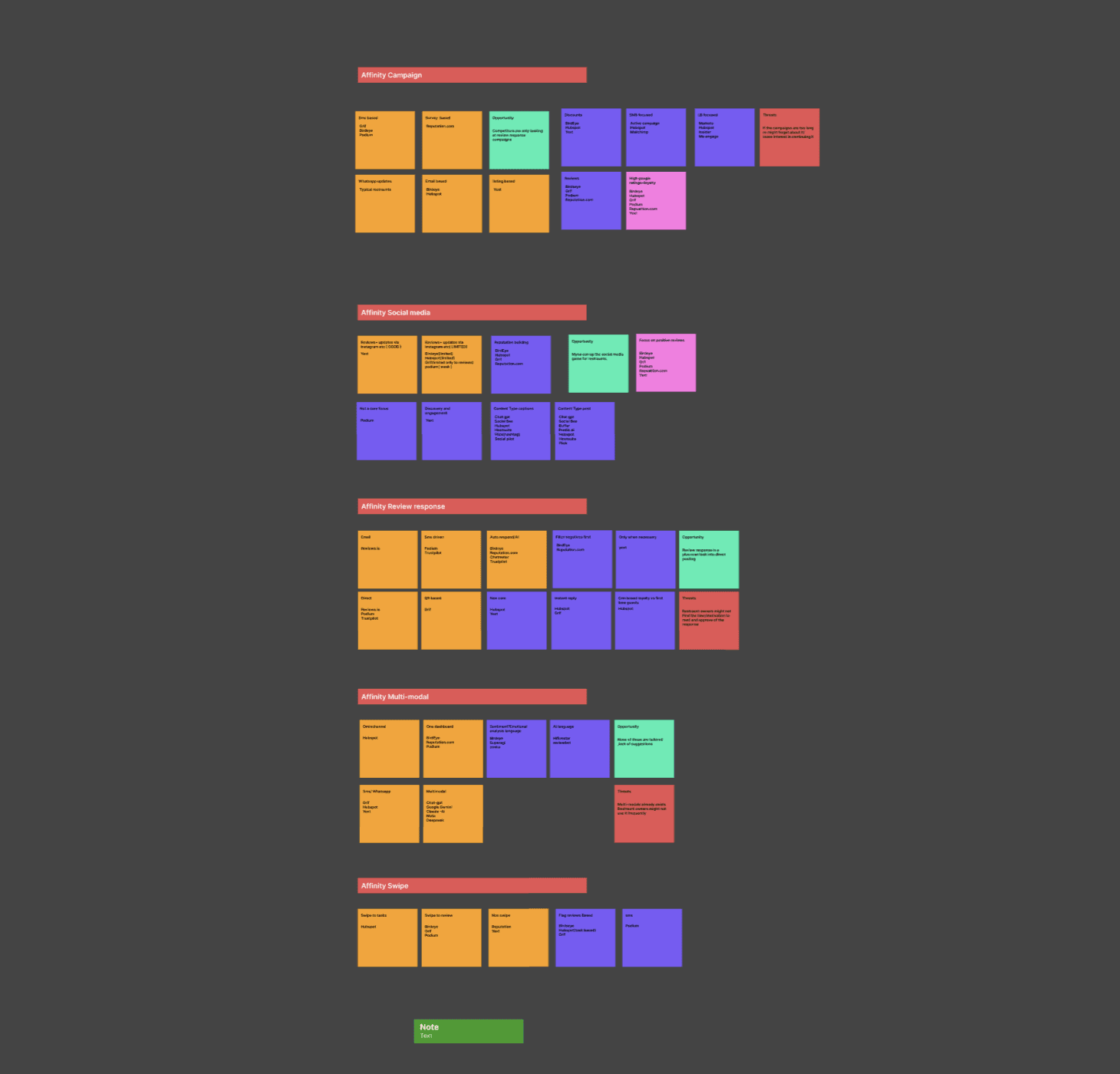
Figure shows: Affinity mapping on Figjam.
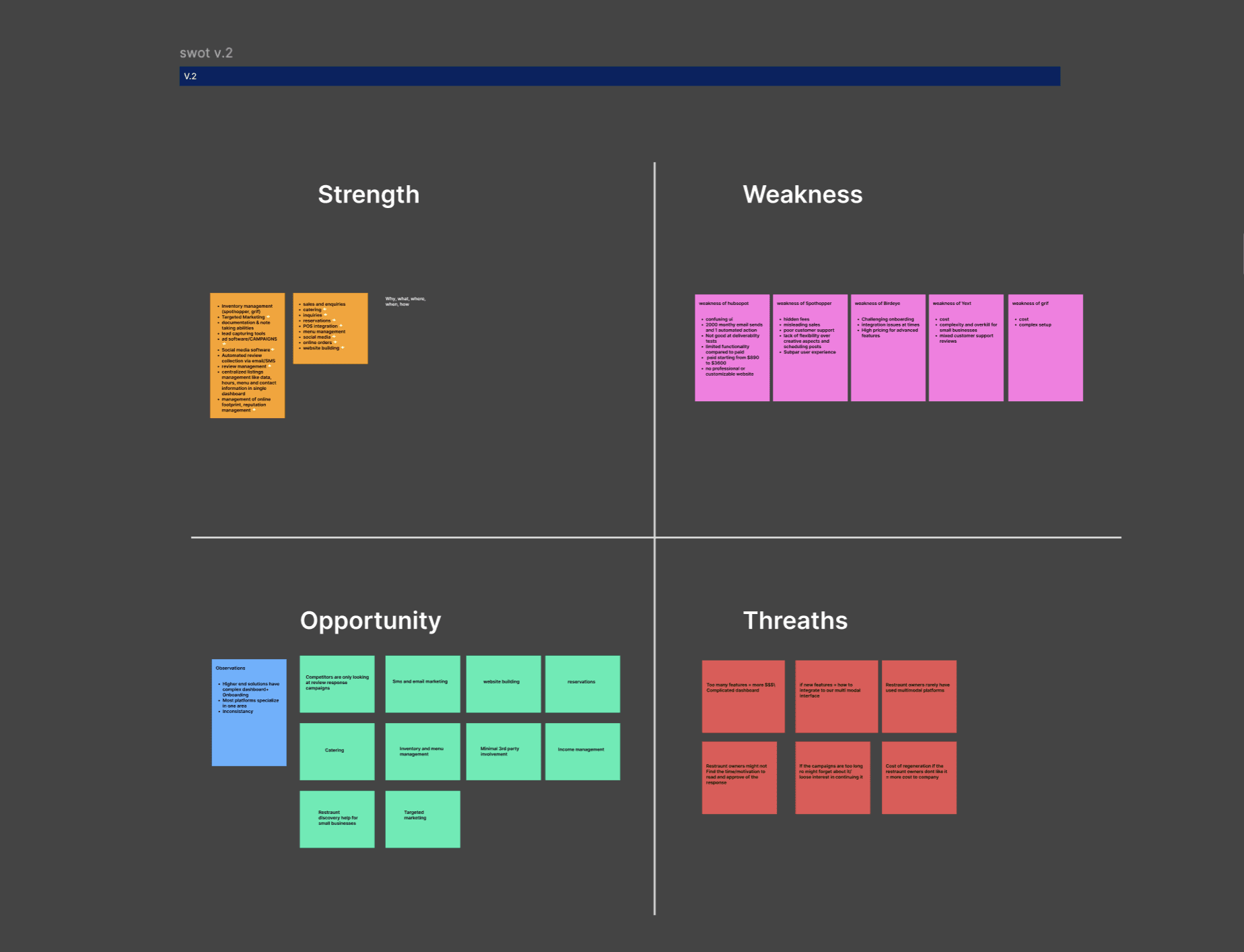
Competitor benchmarking and SWOT Analysis revealed exsisting solutions and best practices, weakneses and opportunities for Myna.
Figure shows: Competitor Analysis on Figjam.
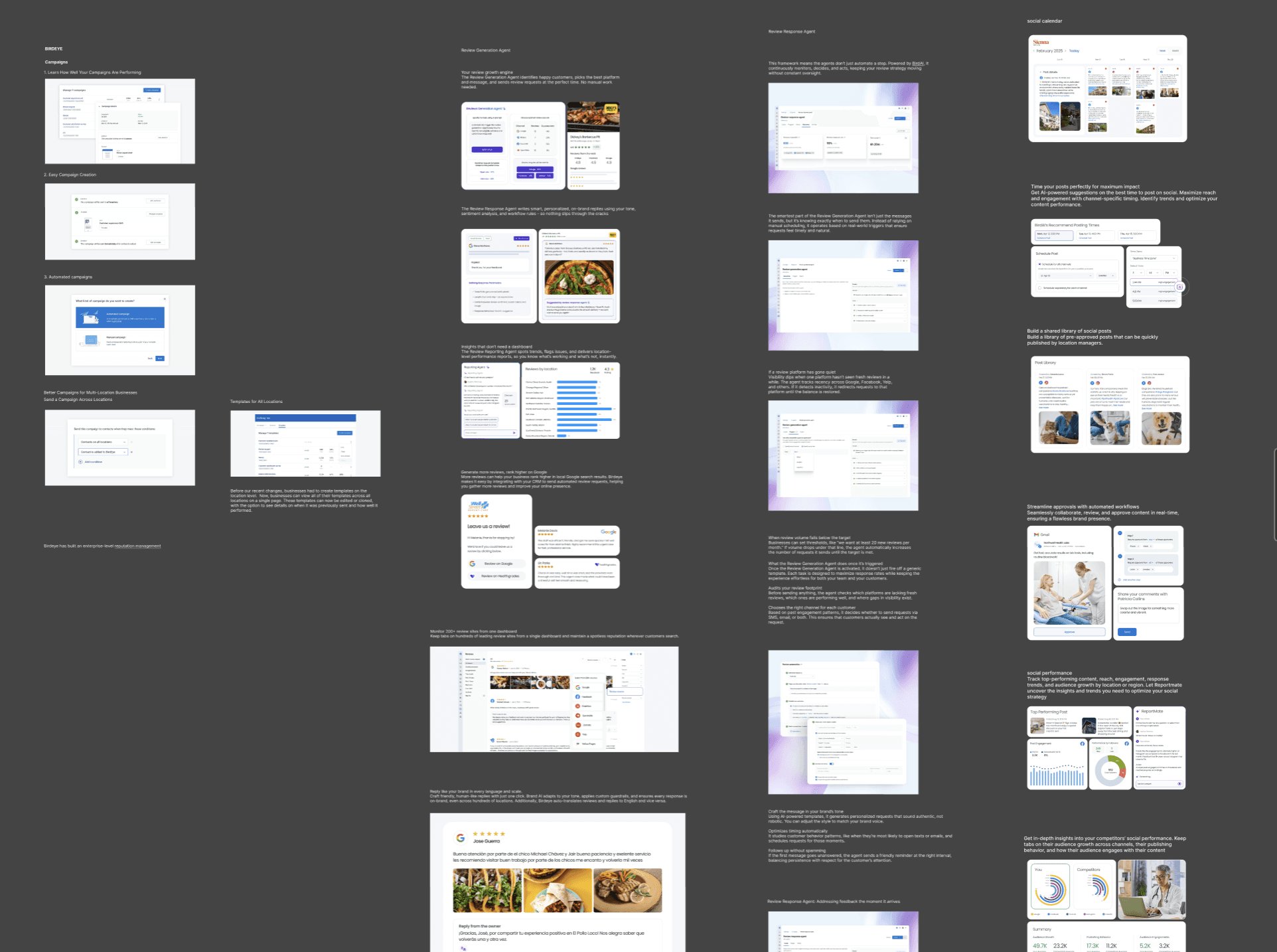
Figure shows: SWOT Analysis on Figjam.
On covering all of this led me ask How can I make Myna less of a tool… and more of a partner?

As the founding product designer, I planned to ship fast — design key screens and vibe code with the dev team using claude code, get quick feedback, and keep iterating to improve the experience.
The Solution
Pivoting From Swipe Cards to a focused task based experience: Hidden Actions to Transparent, Guided Tasks.
Owners didn’t want to swipe through content to find value.
So the task model surfaced value before the user even interacted.
01
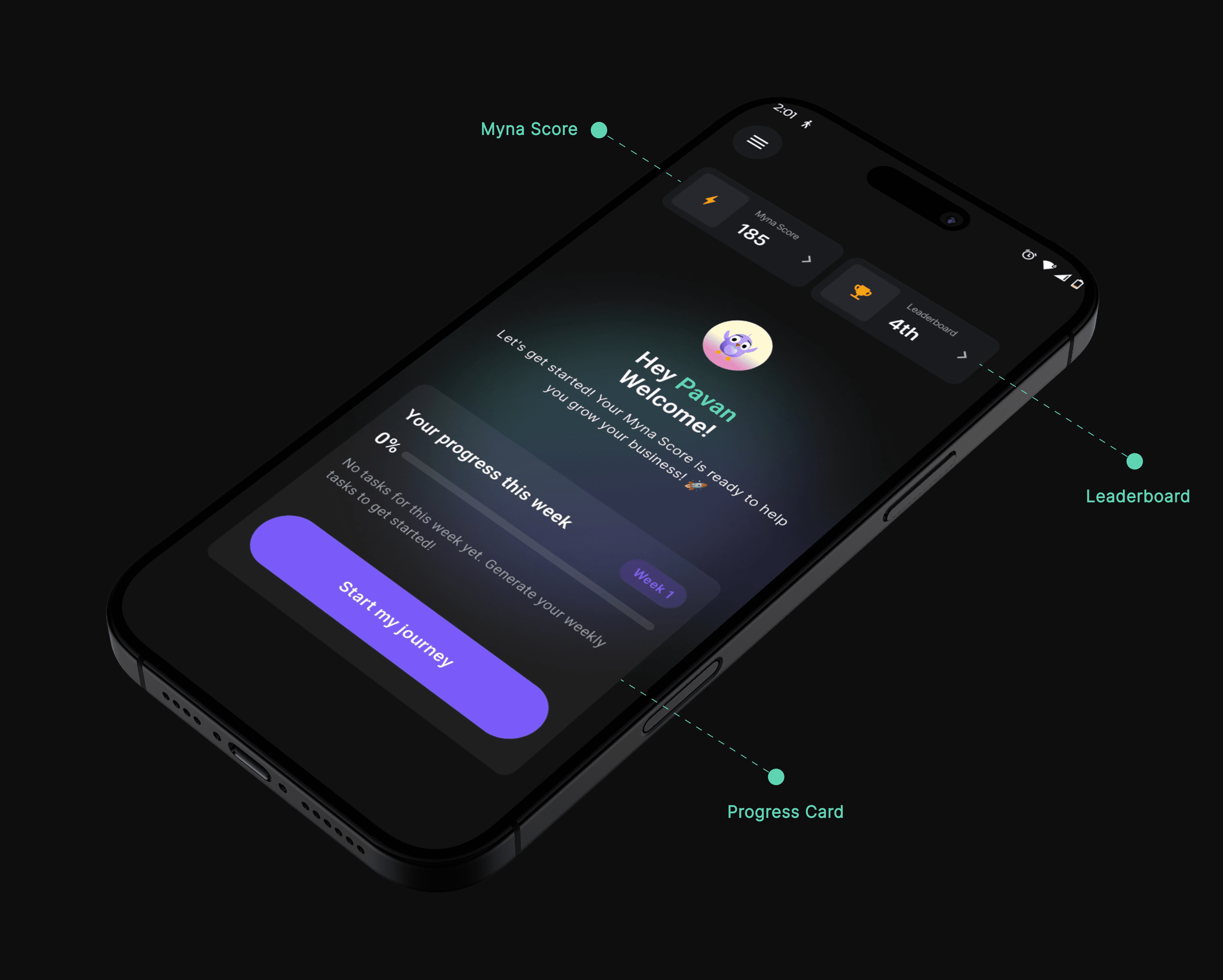
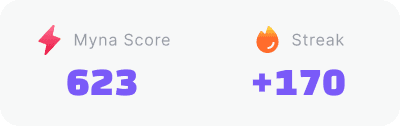
I introduced the Myna Score on the top. It became the primary orienting signal - a single metric representing marketing health and revenue potential.
What exactly is the Myna Score?
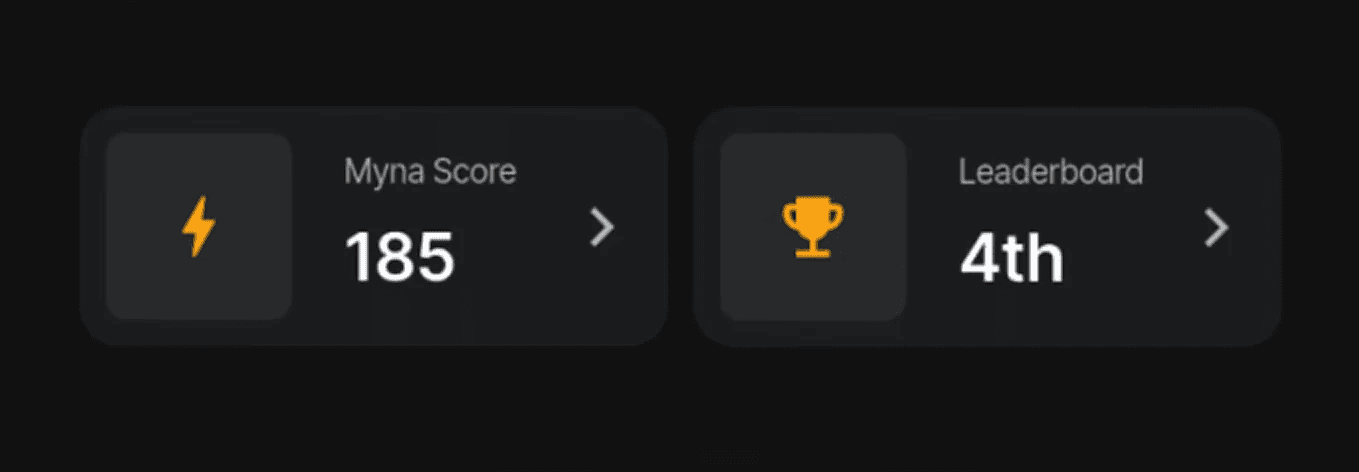
The AI engineer devised a simple metric that blends 10 key metrics into one simple, credit-score-like number that shows a business’s revenue potential—making it easy to measure and track financial health at a glance.
Figure shows: Home screen that was deployed in september
02
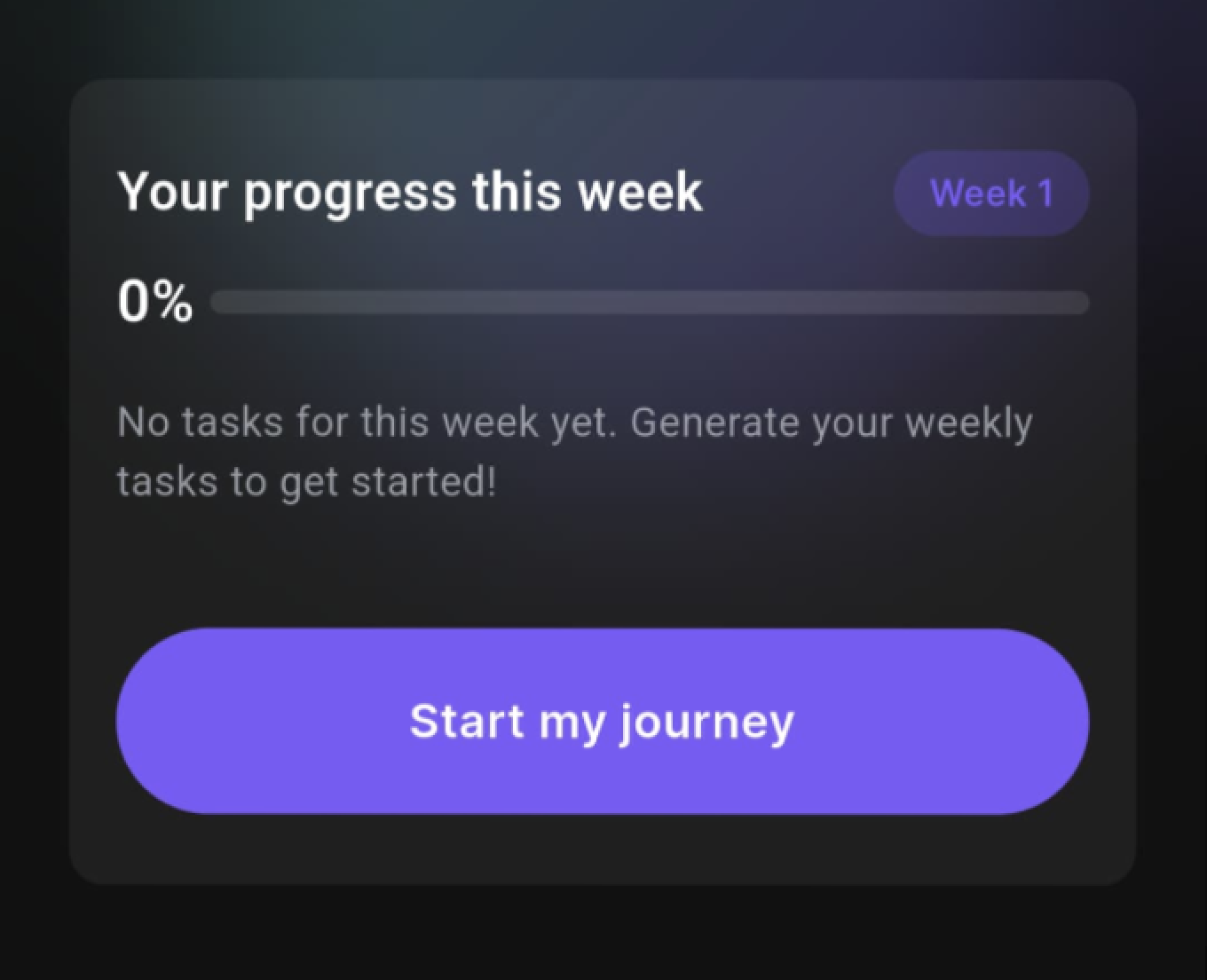
A weekly progress card to show improvements and to nudge them to stay engaged and demonstrate tangible impact.
Owners hesitated with the swipe UI because they couldn’t see the context behind each action. To address this:
01
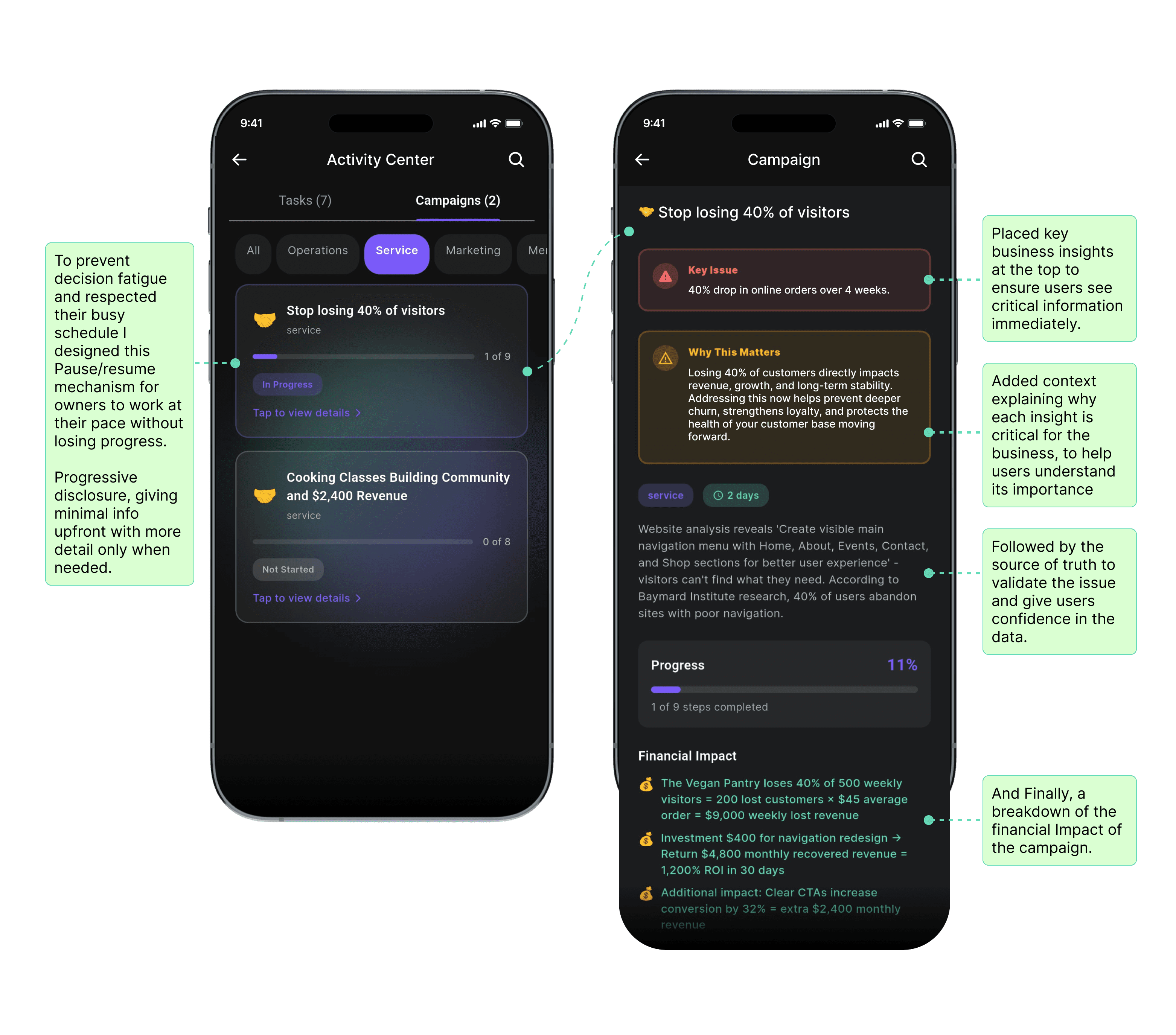
I replaced swipe cards with explicit, structured tasks that clearly showed what was being done, why it mattered, and how it impacted their business.
Figure shows: Low-fi wireframe
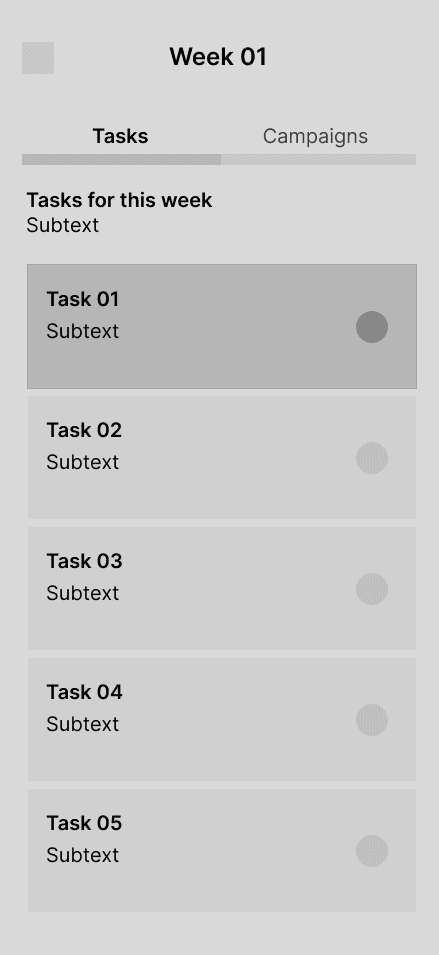
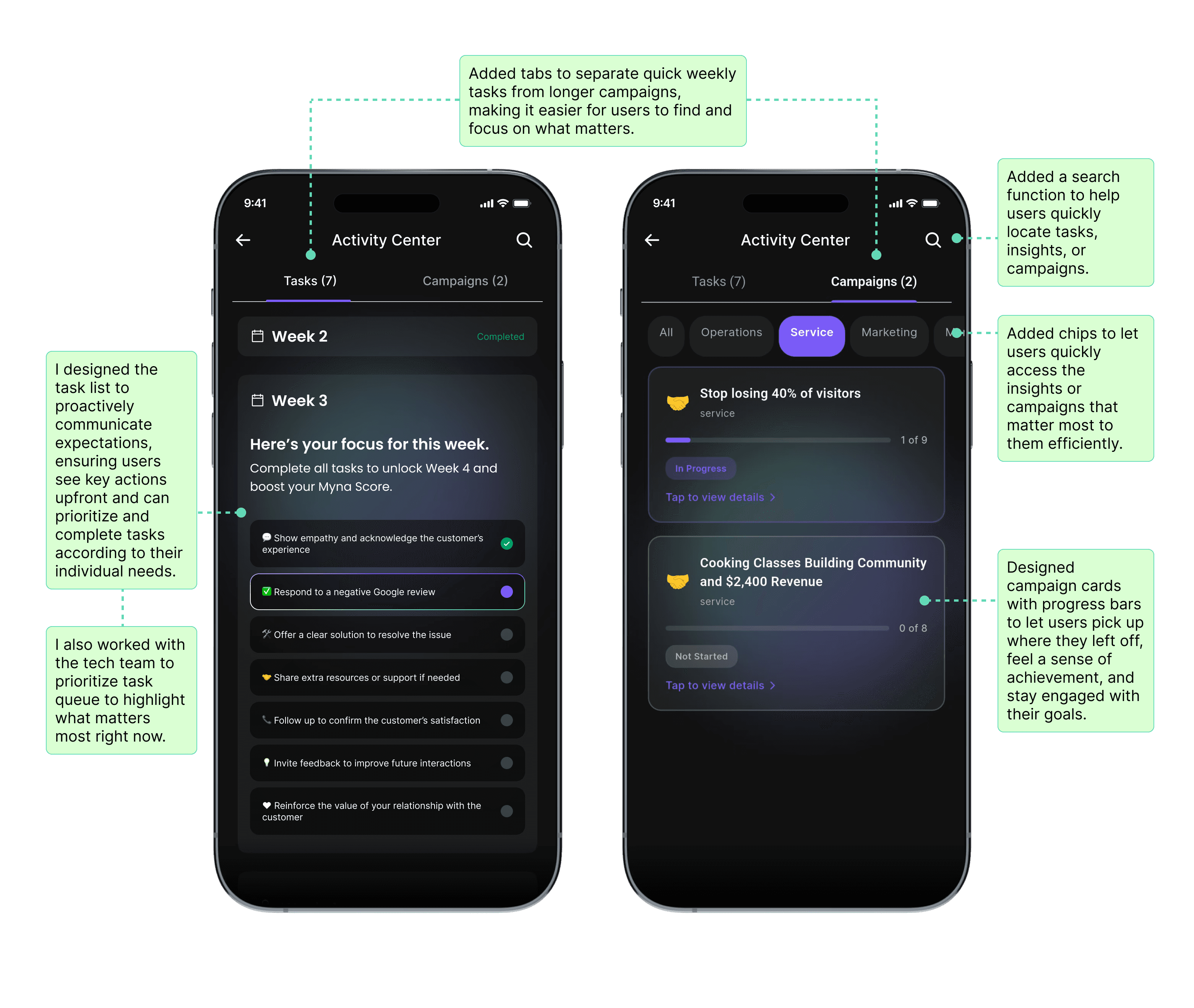
Figure shows: Home screen that was recently deployed in September 2025
02
Each task included supporting context - the data source, expected outcome, or urgency - making decisions feel informed rather than arbitrary.
Figure shows: Home screen that was recently deployed in September 2025
I worked with tech to introduce mechanisms that flipped the interaction model:
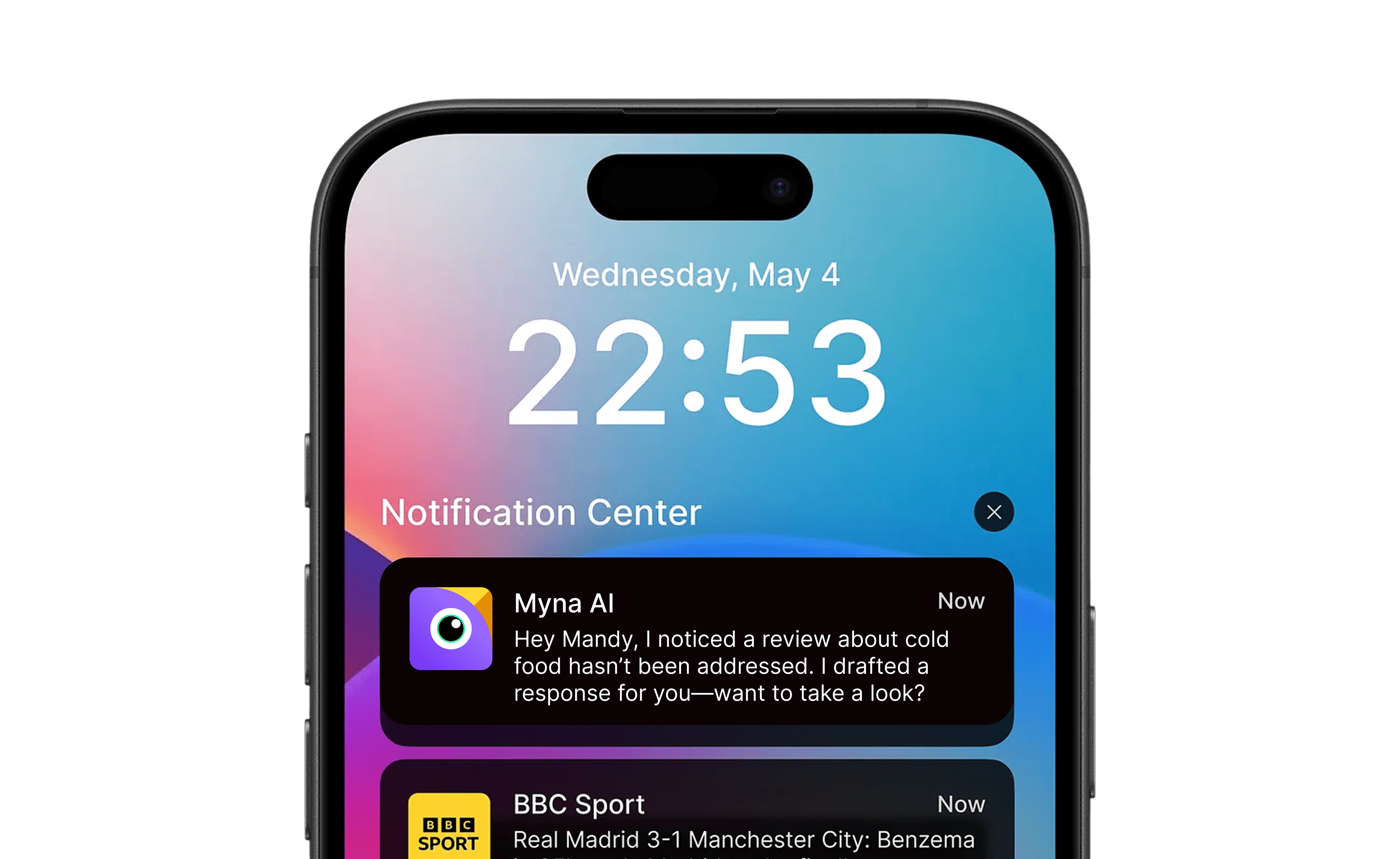
Push notifications for urgent opportunities (e.g., reviews, catering leads, weather-based promos).
Smart reminders based on business patterns, not calendar time.
A future pathway for daily streaks, reinforcing habit without pressure.
Design shift overview:
Weekly goals and visible completion states to create a sense of momentum.
A lightweight leaderboard to introduce friendly competition and social proof.
A cumulative Myna Score trend that builds long-term motivation.
Business outcome:
Weekly goals and visible completion states to create a sense of momentum.
A lightweight leaderboard to introduce friendly competition and social proof.
A cumulative Myna Score trend that builds long-term motivation.
I originally designed the experience to create a sense of accomplishment as owners completed tasks at their own pace. The idea was to show just enough of the bigger picture to keep them motivated, while using progressive disclosure to help them track steady progress toward their goals.
But some users felt overwhelmed by what felt like an endless stream of tasks.
After the initial tests, it became clear something still wasn’t right. Because the agent pulled data from multiple knowledge bases, it started hallucinating and offering generic insights. The dev team needed more time to resolve the underlying issues.
With only a few days left before launch, I had to move fast. I created a plan that would buy the team time while allowing me to continue testing with owners, gathering feedback, and refining the experience.
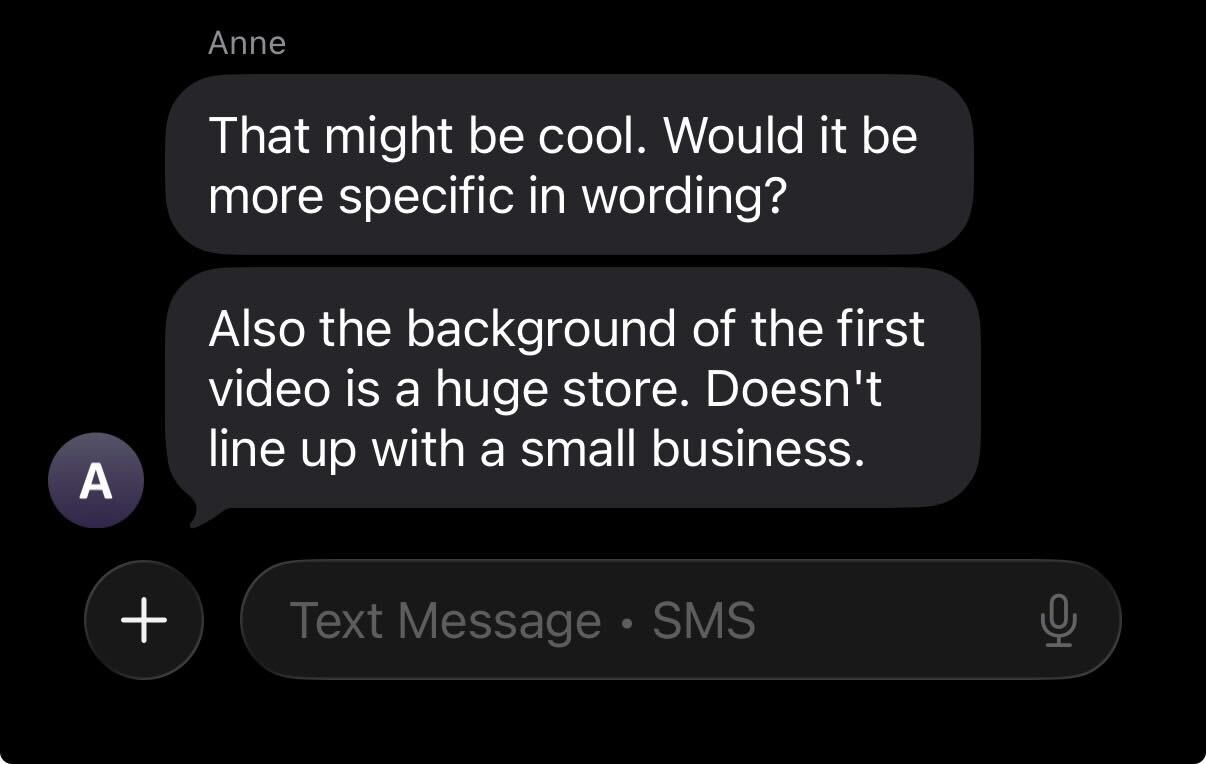
See user comments here
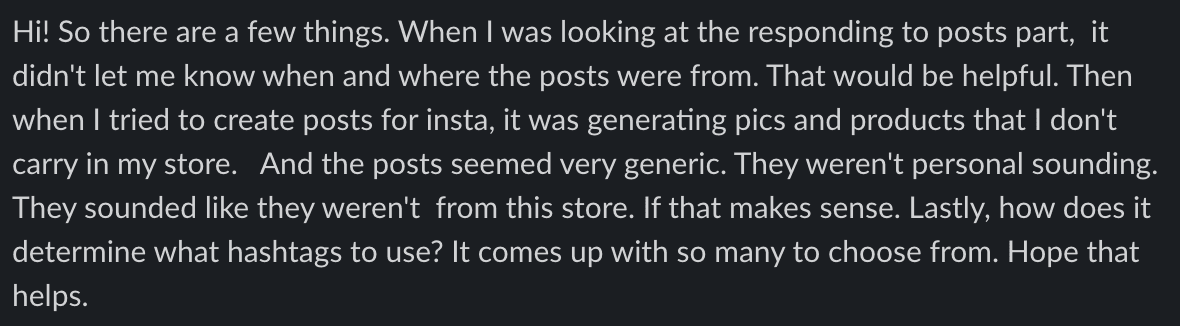
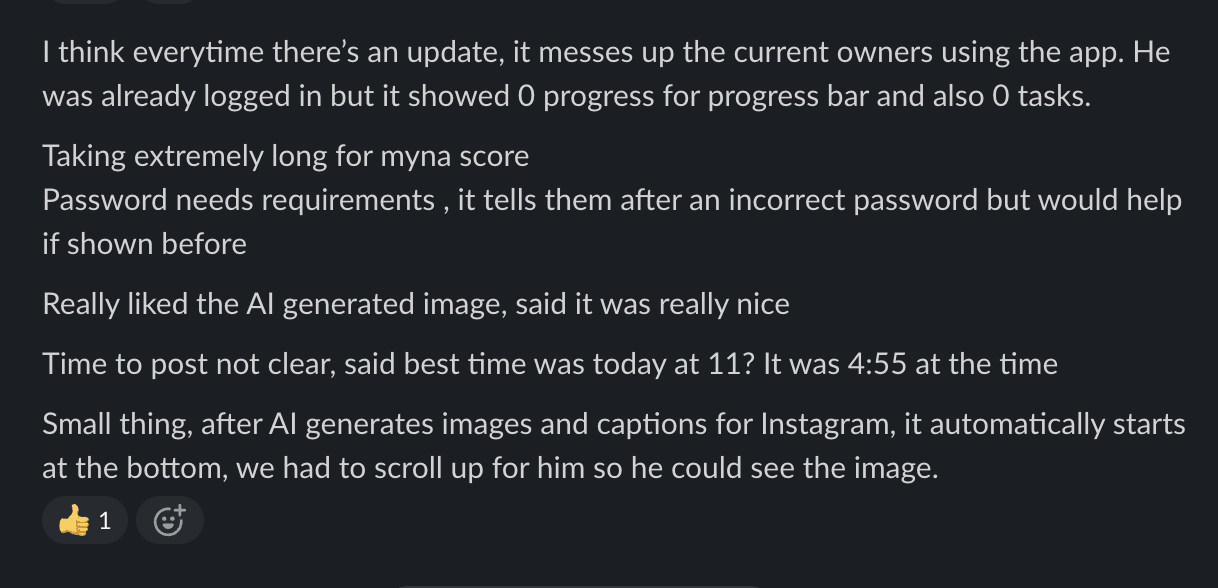
I scoped the chat to operate only within each task, removed the input field, and temporarily made the system fully tap-based. This gave the AI and engineering teams space to strengthen the multi-modal chat while keeping the product usable.
Before (With Chat input feild)
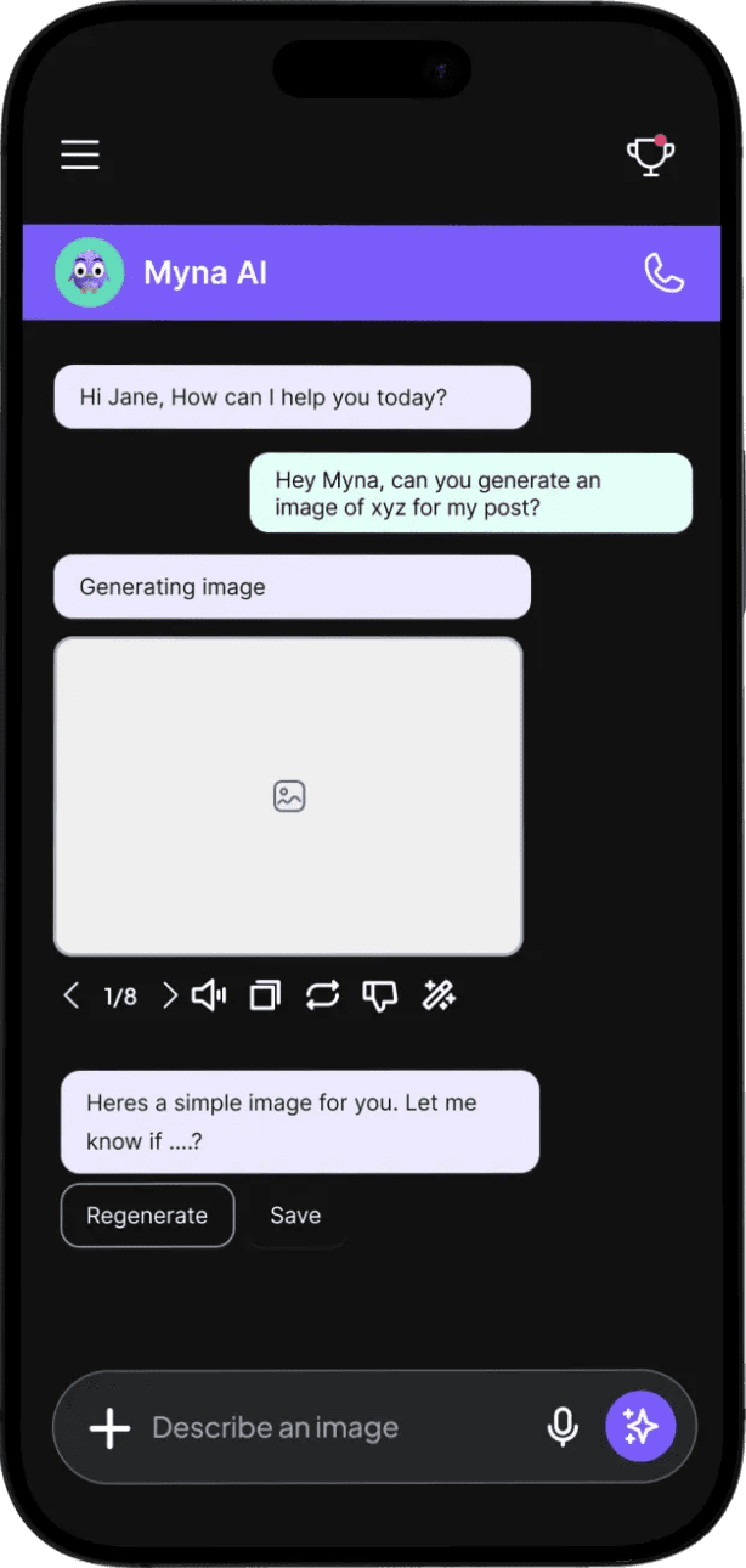
After (Removing the chat input field and switching to tap-based interactions)
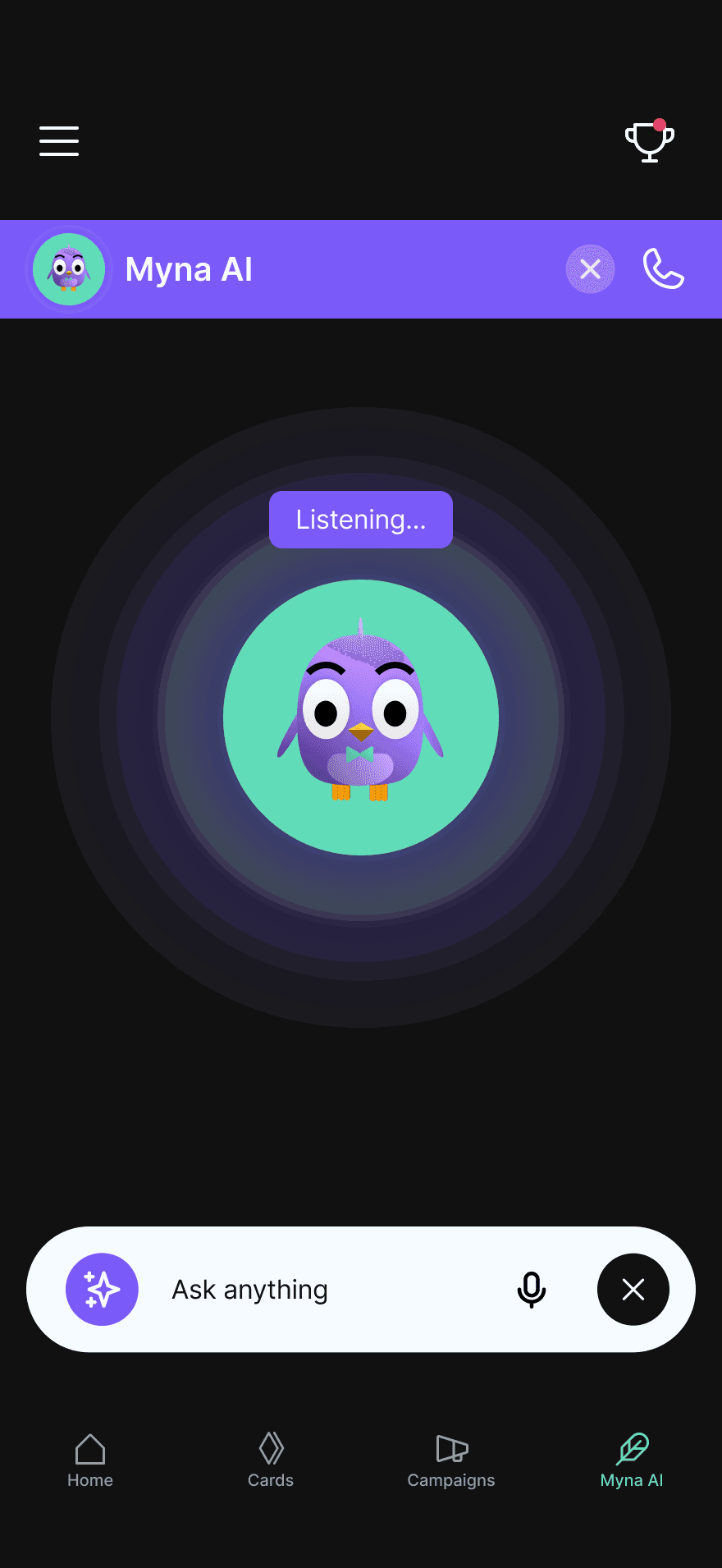
While engineering worked on the fixes, I turned my attention to improving the overall experience. I went back to how restaurant owners naturally communicate—quick, casual, back-and-forth messages.
During testing, I noticed something important: the weekly tasks were too easy to finish. Most owners completed everything within the first two days. After that, they had nothing meaningful to come back for, and our usage data reflected it. Once all tasks were done, their engagement dropped and daily return visits fell off.
At the same time, whenever the chat input was available, owners instinctively tried to ask the agent questions. They wanted a conversation, not a checklist. This behavior told me something valuable: owners expected the AI to guide them, surface insights, and proactively tell them what mattered—rather than making them search for it.
That shift in expectation was my signal to rethink the experience beyond just the task list. It pushed me to reimagine the product as something that supports owners throughout the week, not just something they open to “get things done.”
I didn’t want users to feel they had to complete everything at once.
Instead, I wanted them to enjoy small wins by completing tasks throughout the week.
I didn’t want them to feel pressured to respond to every single review immediately.
Instead, I wanted them to feel confident managing reviews and social media at their own pace.
Switch tabs to see Final design vs Wireframes
Switch tabs to see Final design vs Wireframes
Wireframe
Final Design
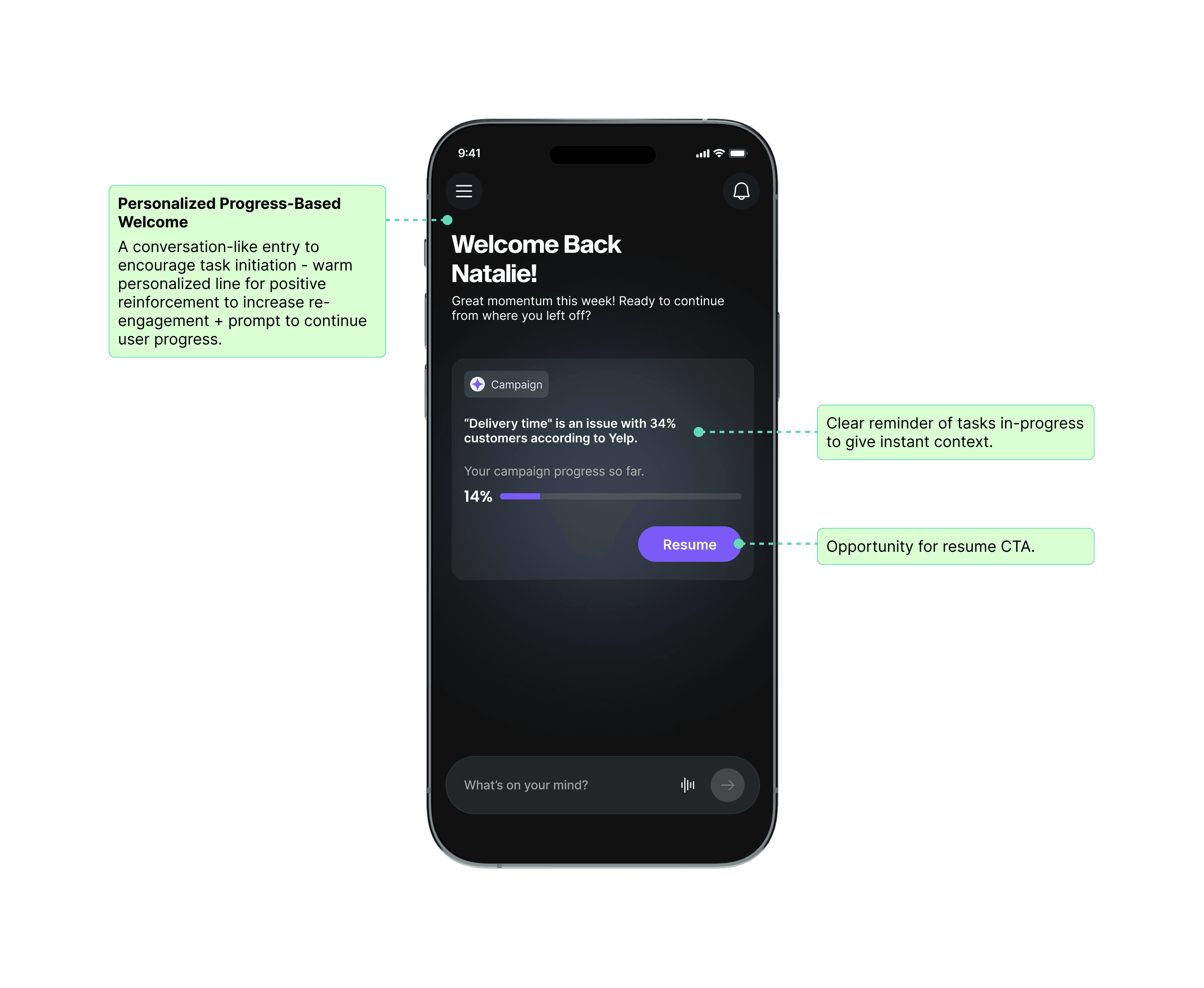
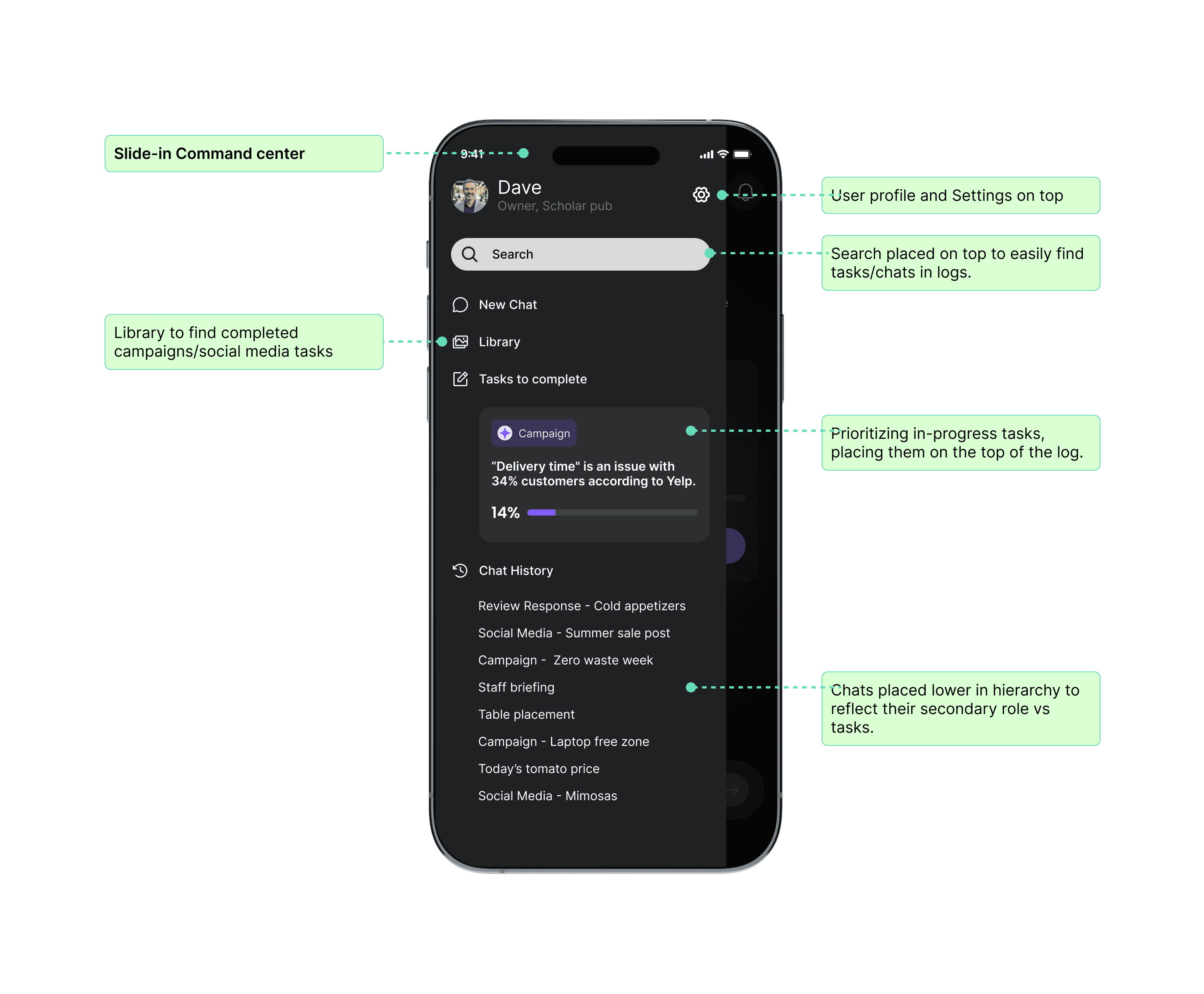
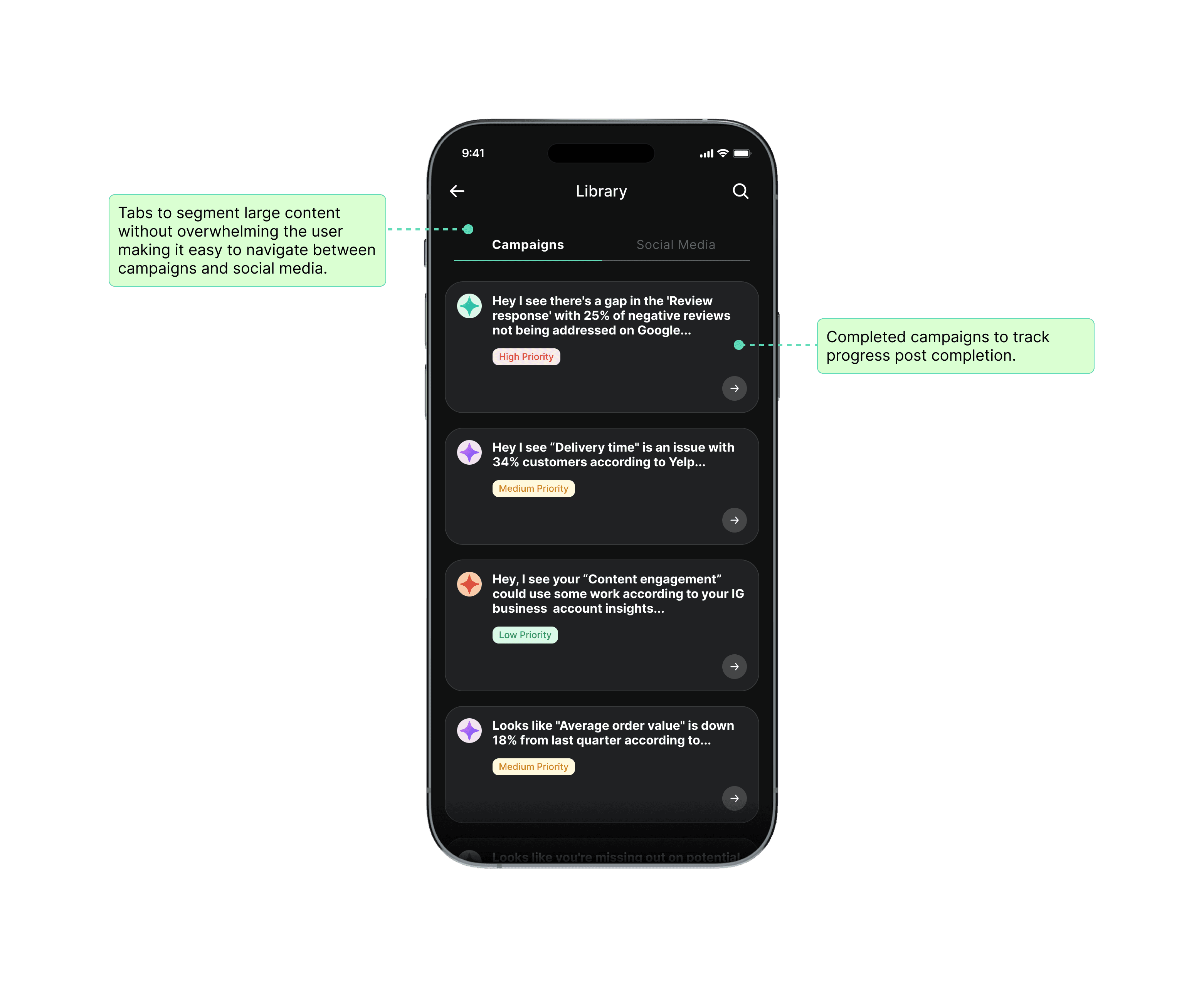
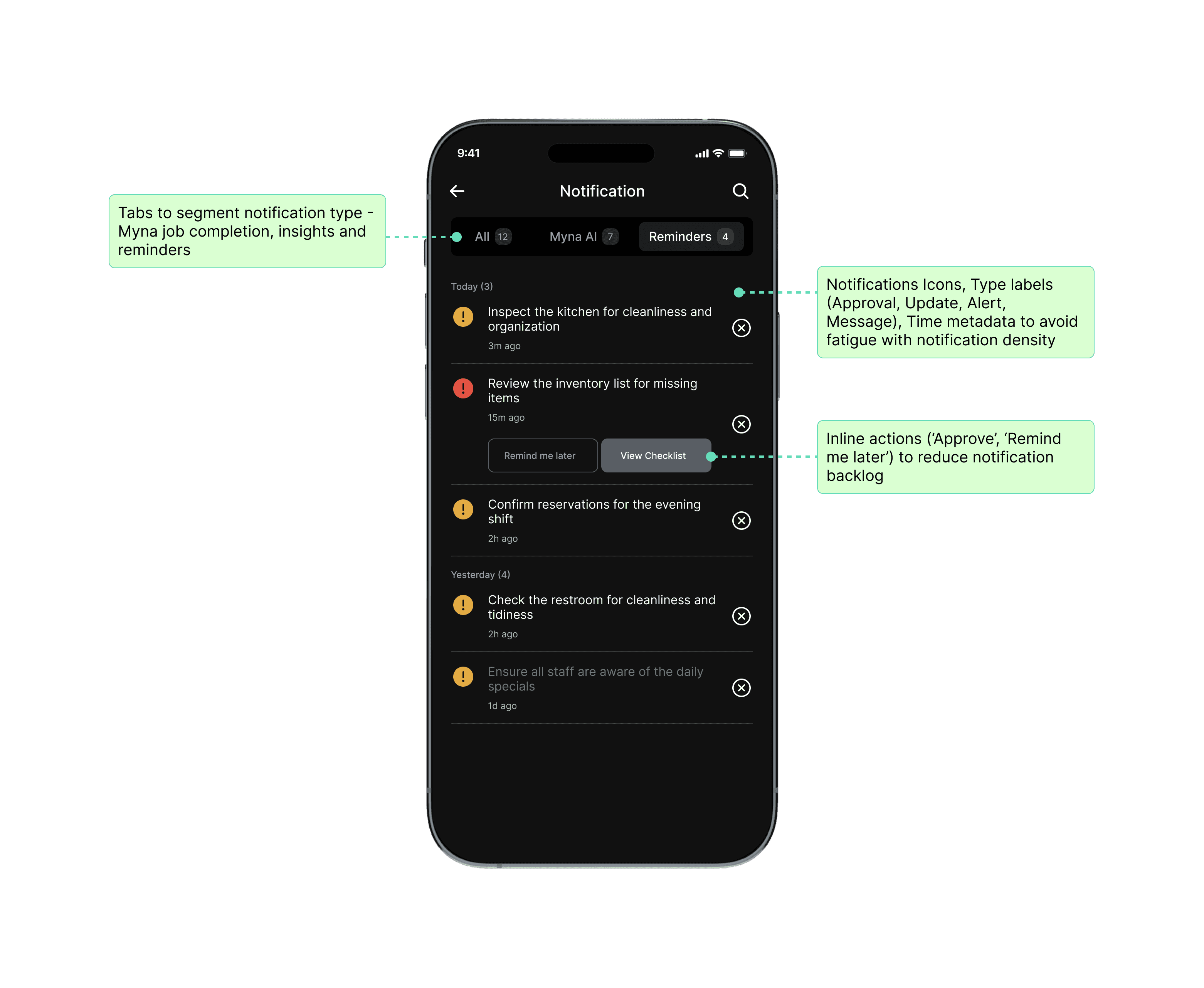
It made sense because:
01
It matched how owners already communicate (quick messages, back-and-forth).
02
It allowed trust to be built through context and explanation.
03
It could push insights directly without requiring hunting or swiping.
Explored multiple iterations to see what works
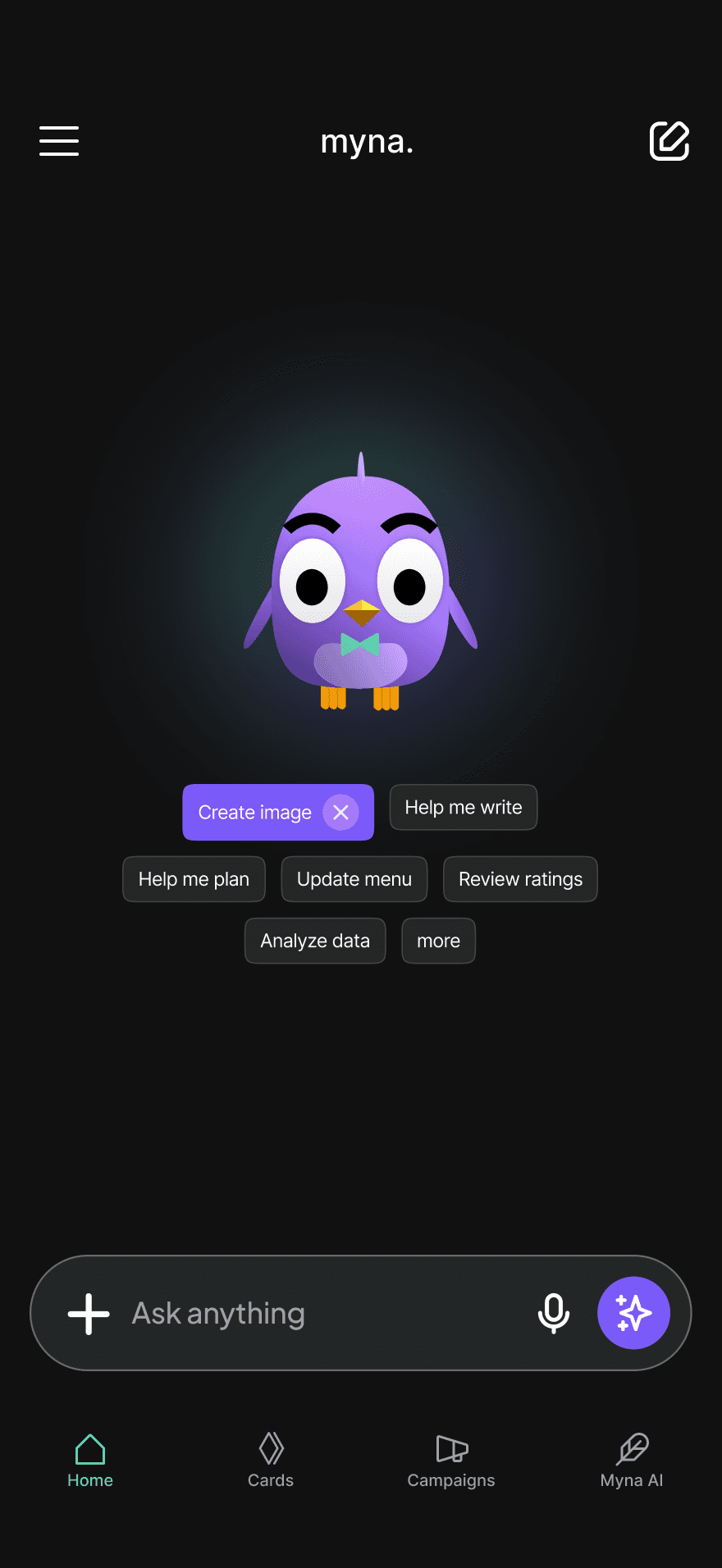
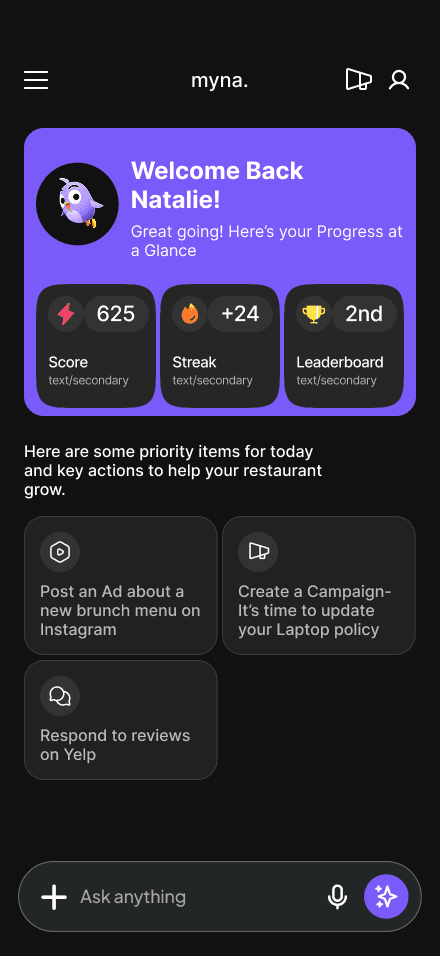
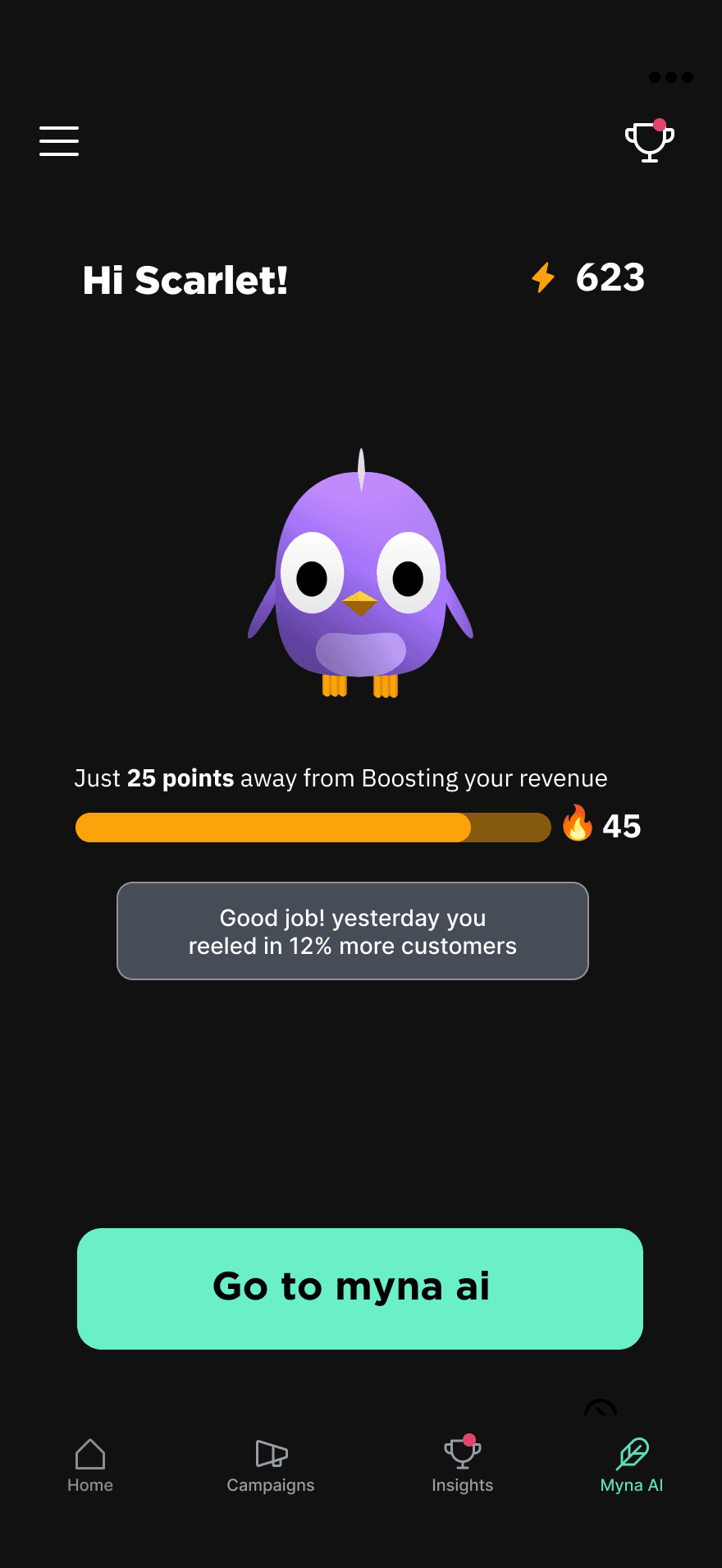
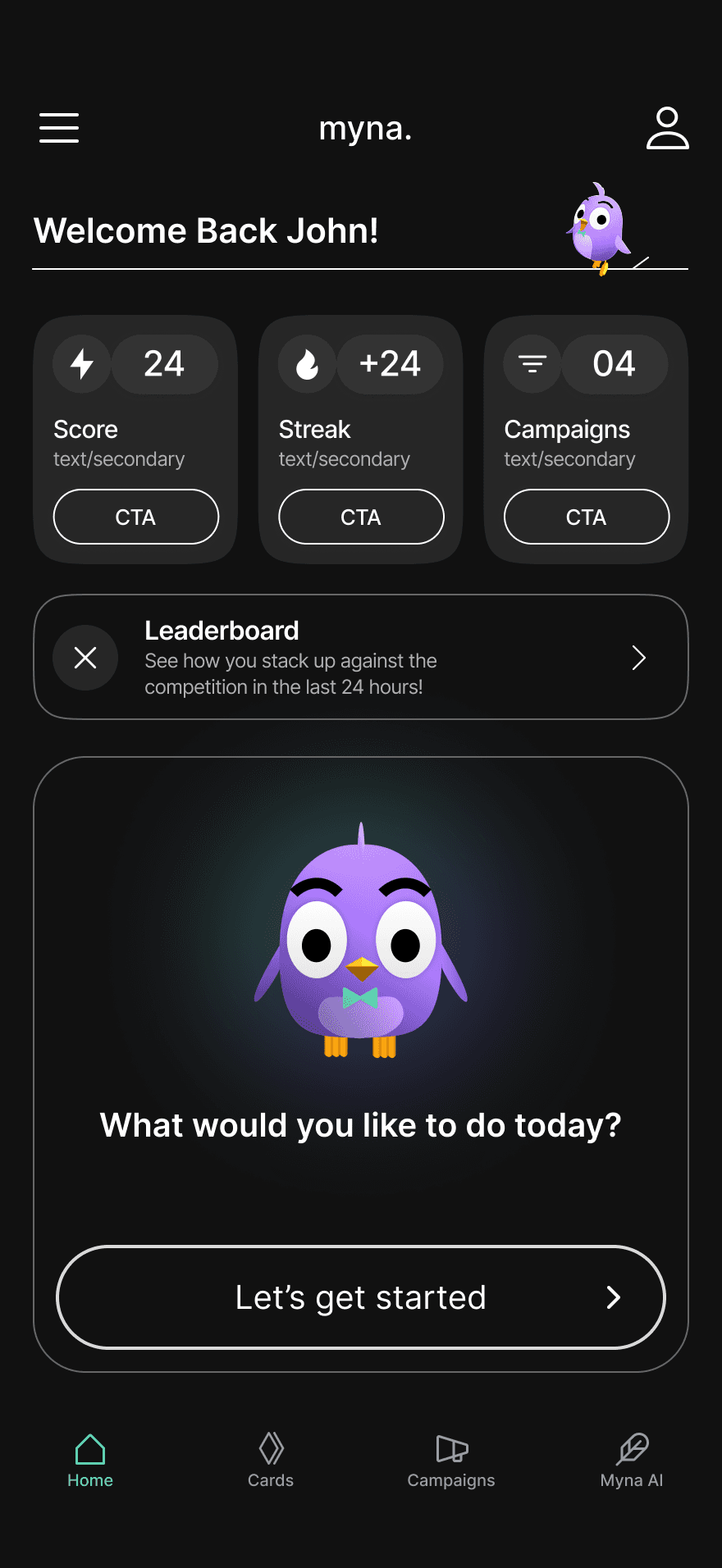
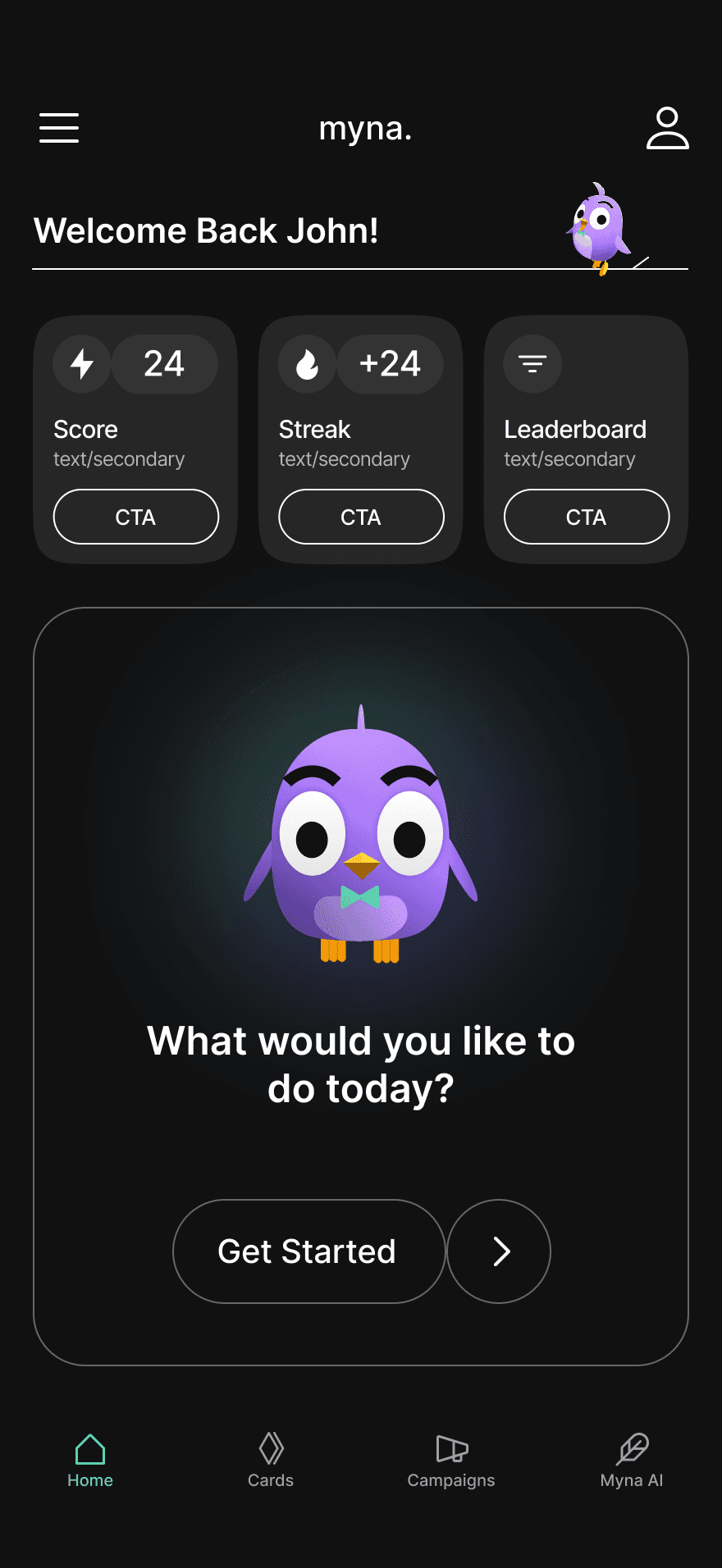
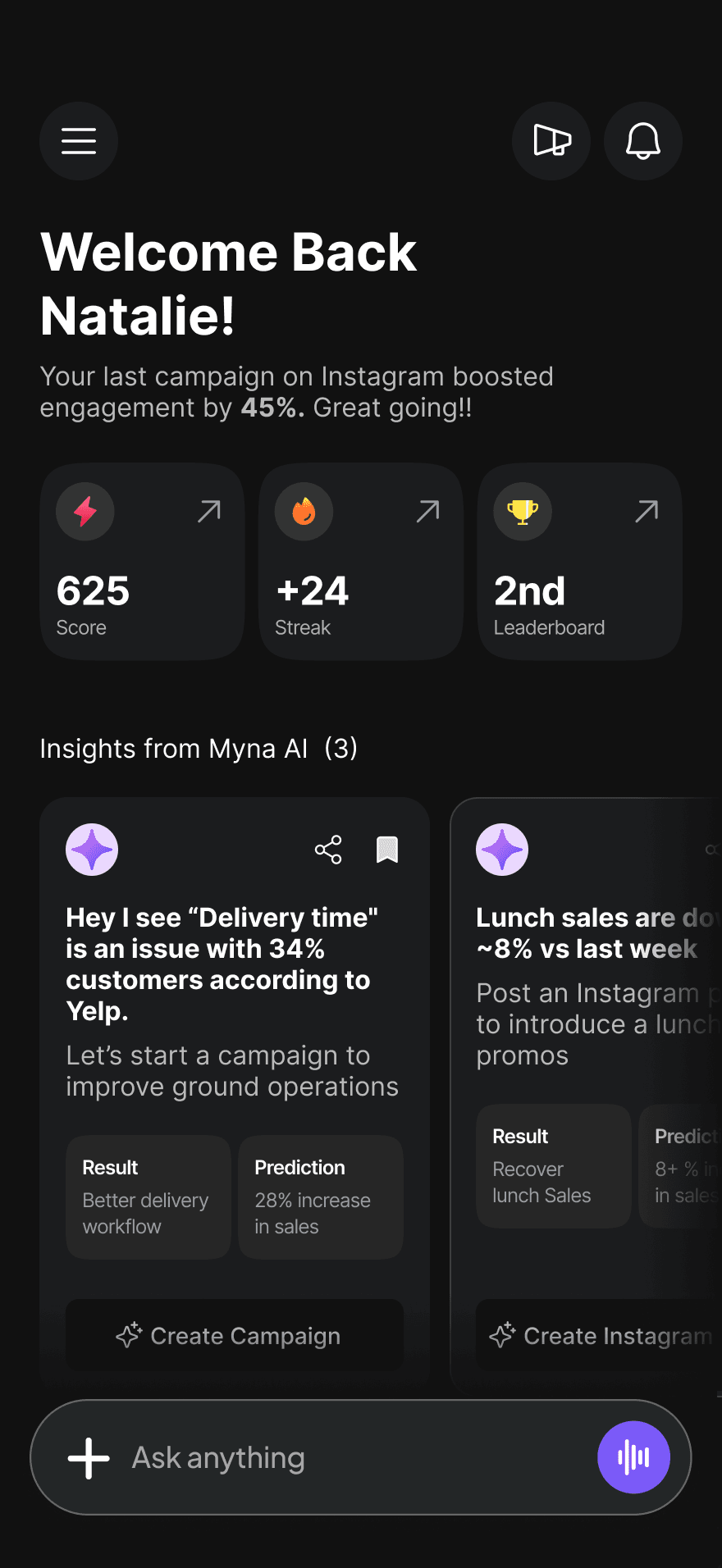
As of today
The app is being shipped out to restaurants in cohorts to get feedback and the team is actively working to improve the experience.
My Learning
This project humbled me in the best way possible.
Good design can’t save a weak value proposition.
I learned that no amount of polish, cleverness, or visual craft can make people care about something that doesn’t solve a real problem.
Speed without direction leads to beautiful mistakes.
We moved fast and shipped often, but without validating the core value, our momentum only got us to the wrong place faster.
Engagement isn’t the same as value.
We focused on delight before earning trust. Real design value starts with usefulness — not aesthetics or novelty.
The right question changes everything.
I stopped asking, “How can we make this simpler?” and started asking, “Why would someone care enough to come back — or pay for this?”
AI is only as valuable as the human reality it fits into.
Intelligence means nothing if it doesn’t respect people’s time, mental load, and goals. Real impact happens when technology understands context.
Failure is a mirror, not a verdict.
Every design that fell flat showed me exactly what I wasn’t seeing yet — and that reflection shaped me far more than any success did.